MCAS Symptoms Checklist: 20+ Signs of Mast Cell Activation
By StopTheFlare Research Team · Updated June 7, 2026
Mast cell activation syndrome (MCAS) is one of the most underdiagnosed conditions in medicine, partly because its symptoms touch nearly every system in the body. People are often told their issues are unrelated, stress-driven, or imagined — when in fact a single overactive cell type can explain the whole picture. This checklist walks through the most common signs of mast cell activation, organized by system, so you can see whether your symptoms cluster in the pattern that points toward MCAS.
This is an educational guide, not a diagnostic tool. MCAS is a clinical diagnosis that requires a knowledgeable physician and specific testing. Use this list to organize what you notice and to have a more productive conversation with a professional — not to self-diagnose.
What mast cells actually do
Mast cells are immune cells that sit in your tissues — especially skin, gut lining, lungs, and around blood vessels. When triggered, they release histamine and dozens of other chemical mediators. In MCAS, these cells are inappropriately reactive, firing in response to foods, smells, temperature changes, stress, or seemingly nothing at all. Because mast cells are everywhere, the symptoms show up everywhere too, which is exactly why the condition is so often missed.
A key clue is the pattern: symptoms that flare and settle, span multiple organ systems at once, and get worse with classic triggers like heat, alcohol, fermented foods, or stress.
Skin symptoms
The skin is one of the most mast-cell-dense tissues, so skin signs are extremely common.
Flushing and hives
Sudden redness or warmth across the face, neck, or chest — often after eating, drinking alcohol, or getting hot. Hives (urticaria) that come and go, sometimes daily, are a hallmark. Some people get dermatographism, where lightly scratching the skin leaves a raised welt within minutes.
Itching and swelling
Generalized itching without an obvious rash, episodes of lip or eyelid swelling (angioedema), and skin that feels reactive to touch, fabrics, or temperature.
Gut and digestive symptoms
The gut lining is packed with mast cells, and digestive symptoms are among the most disruptive.
Common signs include nausea, cramping, bloating, diarrhea or alternating bowel habits, reflux, and abdominal pain that flares after specific foods — especially high-histamine foods like aged cheese, leftovers, fermented foods, and alcohol. Many people are misdiagnosed with IBS for years before the mast cell connection is found. Our guide on the low-histamine diet explains which foods most often drive these reactions.
Cardiovascular and neurological symptoms
Histamine affects blood vessels and the nervous system directly, producing some of the most alarming symptoms.
These include a racing or pounding heart (especially on standing), lightheadedness, blood pressure swings, and episodes that feel like a panic attack but come on physically rather than emotionally. Many people with MCAS also have POTS (postural orthostatic tachycardia syndrome), and the two frequently overlap.
Neurological signs include brain fog, difficulty concentrating, headaches or migraines, anxiety that seems to come out of nowhere, and trouble with sleep — all of which can wax and wane with flares.
Respiratory and ENT symptoms
Nasal congestion, runny nose, sneezing, throat tightness, a frequent cough, or a feeling of not being able to get a full breath — particularly in response to smells, perfumes, cleaning products, or temperature changes — are common. These are easy to mistake for ordinary allergies, but in MCAS they often have no consistent allergen behind them.
Systemic and “whole-body” symptoms
Fatigue is nearly universal, along with temperature intolerance (especially to heat), unexplained sweating, bone or muscle pain, and a general sense of being “reactive to everything.” Multiple chemical, food, and medication sensitivities that keep expanding over time are a strong clue.
The quick checklist
You may want to flag MCAS for evaluation if several of the following are true:
Skin
Flushing after food, alcohol, or heat. Recurrent hives or itching. Skin that welts when scratched. Episodes of lip or eyelid swelling.
Gut
Nausea, cramping, or diarrhea after high-histamine foods. Reflux or bloating that flares unpredictably. An IBS label that never fully fit.
Heart and nervous system
Racing heart on standing. Lightheadedness or blood-pressure swings. Sudden physical “panic” episodes. Brain fog, headaches, or anxiety that track with flares.
Breathing and ENT
Congestion, throat tightness, or shortness of breath triggered by smells or temperature, with no consistent allergen.
Whole body
Persistent fatigue. Heat intolerance. Multiple, expanding food, chemical, or drug sensitivities.
If your symptoms cluster across three or more of these systems and flare with classic triggers, it is worth raising MCAS specifically with a clinician.
Symptoms that need urgent care
Some mast cell reactions are dangerous. Seek emergency care for signs of anaphylaxis: throat swelling or difficulty breathing, widespread hives with faintness, a sudden severe drop in blood pressure, or collapse. If you have had reactions like these, ask your doctor about carrying epinephrine. This article does not replace emergency medical advice.
What helps calm mast cells
While diagnosis and treatment belong with a professional, several well-tolerated supports are commonly used alongside medical care to lower the overall histamine load. None of these are a substitute for evaluation, and you should clear them with your clinician first.
Quercetin is a flavonoid studied for its mast-cell-stabilizing properties; the phytosome form is better absorbed than standard quercetin. We cover the evidence in depth in our quercetin guide.
DAO enzyme supplements supply the enzyme that breaks down dietary histamine in the gut, taken before higher-histamine meals. Buffered vitamin C supports histamine breakdown and is gentle on a sensitive stomach.
For a fuller breakdown of what to try first and why, see our roundup of the best supplements for histamine intolerance, and read the complete Histamine & MCAS protocol for the full picture.
The bottom line
MCAS rarely shows up as one tidy symptom. It shows up as a constellation — skin, gut, heart, brain, and breathing all acting up together and flaring with the same triggers. If this checklist looks uncomfortably familiar, you are not imagining it, and you are not alone. Bring the pattern to a knowledgeable clinician, get proper testing, and build a plan from there.
Frequently Asked Questions
- What are the most common MCAS symptoms?
- The most common signs are flushing and hives, digestive issues like nausea and cramping after high-histamine foods, a racing heart or lightheadedness on standing, brain fog and anxiety, nasal congestion triggered by smells, and persistent fatigue. The hallmark of MCAS is that these symptoms cluster across multiple body systems at once and flare with triggers like heat, alcohol, and fermented foods.
- How is MCAS different from histamine intolerance?
- Histamine intolerance usually reflects a shortage of the DAO enzyme that breaks down histamine from food, so symptoms track closely with what you eat. MCAS is broader: overactive mast cells release histamine and many other mediators in response to foods, smells, temperature, stress, or nothing at all, so symptoms are more wide-ranging and less tied to diet alone. The two overlap and can occur together.
- Can MCAS be diagnosed with a checklist?
- No. A symptom checklist can show whether your issues fit the MCAS pattern, but diagnosis requires a knowledgeable physician and specific testing, often including measurements of mast cell mediators like tryptase during a flare. Use a checklist to organize your symptoms and guide the conversation, not to self-diagnose.
- When should MCAS symptoms be treated as an emergency?
- Seek emergency care immediately for signs of anaphylaxis: throat swelling, difficulty breathing, widespread hives with faintness, a sudden severe drop in blood pressure, or collapse. If you have had reactions like these, talk to your doctor about carrying epinephrine. Routine flares are not emergencies, but severe systemic reactions always are.
Related products
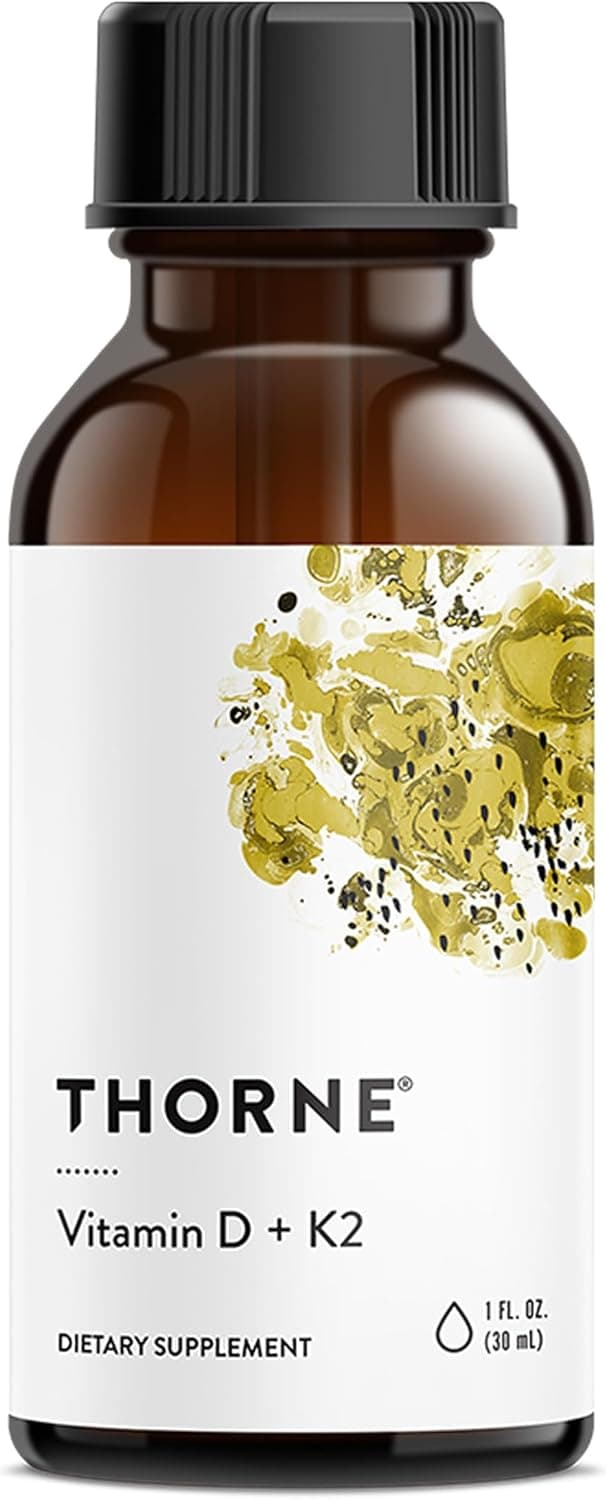
Thorne Vitamin D + K2 Liquid
Thorne
Flexible metered-drop liquid D3/K2 from a third-party certified brand — vitamin D deficiency correlates strongly with higher thyroid antibodies and worse skin.

Pure Encapsulations Magnesium Glycinate
Pure Encapsulations
The cleanest, best-tolerated magnesium glycinate available — 4.6★ from 2,700+ verified reviews, named best overall by multiple expert roundups.
Want the full picture? Read our complete Histamine & MCAS supplement protocol.