The Low-Histamine Diet: Foods to Avoid, Foods to Enjoy, and How to Start
By StopTheFlare Research Team · Updated May 20, 2026
If flushing, headaches, hives, or a racing heart hit you after eating, a low-histamine diet is often the single most powerful tool you have. It is not about eating “clean” — plenty of healthy foods are high in histamine — it is about reducing the histamine load your body has to clear. Done right, it can give you back meals without the misery.
This is a beginner-friendly walkthrough: how the diet works, what to avoid, what to enjoy, and how to start without spiraling into fear of food. For the full clinical context, see our histamine and MCAS protocol and our high-histamine foods list.
The one principle that matters most: freshness
Histamine accumulates in food as it ages, ferments, or sits in the fridge. This is *the* core insight. A freshly cooked chicken breast is low-histamine; the same chicken eaten as leftovers two days later can be a trigger. Freshness is the rule that drives every other guideline below. When in doubt, eat it fresh or freeze it immediately — freezing largely halts histamine buildup, while refrigeration only slows it.
Foods to avoid (the high-histamine offenders)
The biggest culprits are aged, fermented, cured, and leftover foods, including:
The worst offenders
Aged cheeses, cured and processed meats (salami, bacon), fermented foods (sauerkraut, kombucha, soy sauce, yogurt), alcohol — especially wine and beer — and anything fermented. Smoked and canned fish are particularly high.
Histamine “liberators” and DAO blockers
Some foods are not high in histamine but trigger its release or block the DAO enzyme that breaks it down: citrus, tomatoes, strawberries, chocolate, and alcohol. Alcohol is a double hit — high in histamine *and* a DAO blocker — which is why a single glass of wine can flatten sensitive people.
Foods to enjoy (build meals around these)
The safe list is more generous than newcomers expect: freshly cooked meat and poultry, most fresh vegetables (apart from the few liberators), gluten-free grains like rice and quinoa, fresh fruits such as apples, pears, and blueberries, and healthy fats like olive oil. The theme is simple: fresh, simple, and minimally processed.
How to start without making yourself miserable
Step 1: Run a stricter 2–4 week reset
Start with a tighter low-histamine window of 2–4 weeks to let your symptoms settle and establish a baseline. This is a diagnostic phase, not forever.
Step 2: Reintroduce and find your threshold
Histamine intolerance is about total load, not absolute avoidance. After the reset, reintroduce foods one at a time to discover your personal threshold — many people tolerate small amounts of some triggers. The goal is the widest possible diet that keeps you symptom-free, not lifelong restriction.
Where supplements fit
Diet does the heavy lifting, but supplements extend your freedom. Taking a DAO enzyme before higher-histamine meals helps break down food histamine — see our best DAO enzyme supplements — while quercetin helps stabilize the mast cells that release histamine in the first place. Just be cautious with probiotics: many strains *produce* histamine, so choose a histamine-safe formula. Our mast cell diet guide ties food and supplements together.
Bottom line
The low-histamine diet comes down to one habit — eat fresh, freeze leftovers, and learn your personal threshold. Use a short strict reset to calm symptoms, then reintroduce to build the widest comfortable diet. Paired with DAO before meals and mast cell support, most people regain far more food freedom than they expected.
Frequently Asked Questions
- What foods are highest in histamine?
- The highest are aged, fermented, cured, and leftover foods: aged cheeses, cured and processed meats, fermented foods like sauerkraut and kombucha, soy sauce, smoked or canned fish, and alcohol — especially wine and beer. Some foods like citrus, tomatoes, and chocolate are not high in histamine but trigger its release or block the DAO enzyme.
- Why does freshness matter so much on a low-histamine diet?
- Histamine accumulates in food as it ages, ferments, or sits in the refrigerator, so the same food can be safe when fresh and a trigger as leftovers. Freezing largely halts histamine buildup while refrigeration only slows it, which is why the core rule is to eat food fresh or freeze it immediately.
- How long should I follow a strict low-histamine diet?
- Start with a stricter 2-to-4-week reset to let symptoms settle and establish a baseline, then reintroduce foods one at a time. Histamine intolerance is about total load rather than absolute avoidance, so the goal is to find your personal threshold and build the widest possible diet that keeps you symptom-free — not to restrict forever.
- Do I need supplements on a low-histamine diet?
- Diet does the heavy lifting, but supplements can extend your freedom. A DAO enzyme taken before higher-histamine meals helps break down food histamine, and quercetin helps stabilize mast cells. Be cautious with probiotics, since many strains produce histamine — choose a histamine-safe formula designed for this purpose.
Related products
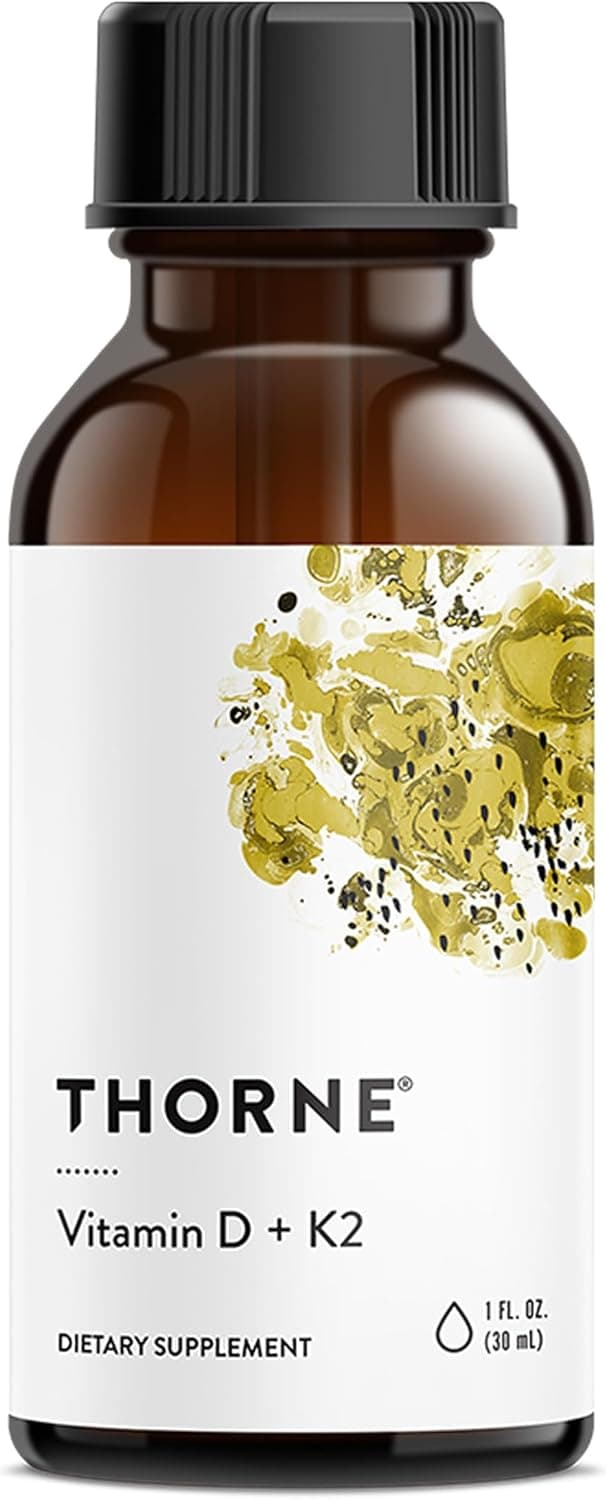
Thorne Vitamin D + K2 Liquid
Thorne
Flexible metered-drop liquid D3/K2 from a third-party certified brand — vitamin D deficiency correlates strongly with higher thyroid antibodies and worse skin.
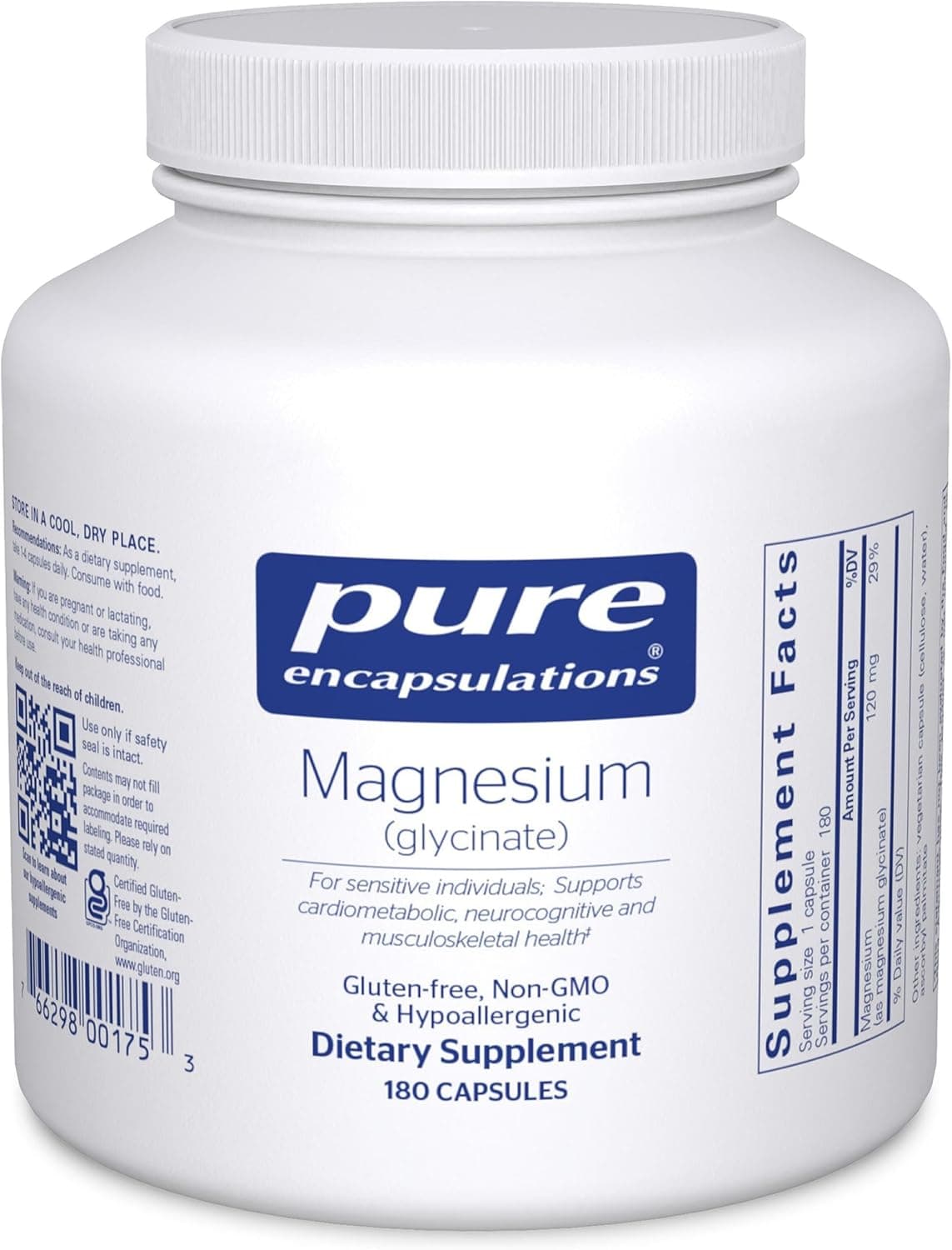
Pure Encapsulations Magnesium Glycinate
Pure Encapsulations
The cleanest, best-tolerated magnesium glycinate available — 4.6★ from 2,700+ verified reviews, named best overall by multiple expert roundups.
Want the full picture? Read our complete Histamine & MCAS supplement protocol.