Quercetin for Histamine Intolerance: Dose, Timing, and How It Works
By StopTheFlare Research Team · Updated May 10, 2026
If you have researched histamine intolerance or MCAS, quercetin keeps coming up — and for good reason. It is one of the few natural compounds that works *upstream*, on the cells that release histamine in the first place, rather than just mopping up histamine after the fact. But it is also one of the most commonly mis-bought supplements, because the cheap versions barely absorb.
This guide explains how quercetin works, how to dose it, and how to avoid wasting money on a form your body cannot use. For the full strategy, see our histamine and MCAS protocol and quercetin guide.
How quercetin works: the mast cell angle
Histamine is released by mast cells. In histamine intolerance and especially MCAS, these cells are too trigger-happy, dumping histamine in response to foods, stress, temperature, and more. Quercetin is a plant flavonoid that acts as a mast cell stabilizer — it makes those cells less likely to degranulate and release their histamine load.
This is fundamentally different from a DAO enzyme, which breaks down histamine *from food* in your gut. Quercetin lowers your baseline reactivity at the source. The two are complementary, which is why they are often used together.
The absorption problem (this is the key part)
Here is the mistake that wastes the most money: plain quercetin is very poorly absorbed. Swallow a cheap quercetin capsule and most of it passes straight through. The supplement can be excellent and still do nothing if the form is wrong.
Forms that actually absorb
Look for an enhanced-absorption format — a phytosome (bound to phospholipids) or a formula paired with vitamin C or bromelain, which improve uptake. Thorne Quercetin Phytosome is a well-absorbed phytosome option, and Life Extension Optimized Quercetin pairs it with vitamin C. The form is not a detail here — it is the whole game.
Dose and timing
Typical doses land around 250–500 mg, once or twice daily, though phytosome forms achieve more at lower amounts because of better absorption. Two timing principles:
Take it consistently, not just reactively
Quercetin works best as a daily, preventive supplement that lowers baseline mast cell reactivity over time — not as a rescue pill after a reaction starts. Give it a few weeks of consistent use.
Pair it strategically
Many people combine quercetin (daily, for baseline stability) with a DAO enzyme taken before higher-histamine meals (for food histamine). Vitamin C supports histamine breakdown and absorption, so it is a natural partner. Be cautious with probiotics — many strains produce histamine — and choose a histamine-safe formula if you use one.
Is quercetin safe?
Quercetin is generally well tolerated. At very high long-term doses there are theoretical cautions, and it can interact with some medications (including certain blood thinners and antibiotics), so check with a pharmacist if you take prescriptions. Start low — reactive people sometimes react to *anything* new — and build up.
Bottom line
Quercetin is a genuinely useful mast cell stabilizer for histamine intolerance and MCAS, but only if you buy an absorbable form, take it consistently, and pair it sensibly with diet and a DAO enzyme. Get those three right and it becomes a cornerstone of the plan. See the complete histamine and MCAS protocol to put it all together.
Frequently Asked Questions
- How does quercetin help with histamine intolerance?
- Quercetin acts as a mast cell stabilizer, making the immune cells that store and release histamine less likely to degranulate. This lowers your baseline reactivity at the source, which is different from a DAO enzyme that breaks down histamine from food in the gut. Because they work on different parts of the problem, the two are often used together.
- What is the best form of quercetin to take?
- Plain quercetin is poorly absorbed, so choose an enhanced-absorption format — a phytosome bound to phospholipids, or a formula paired with vitamin C or bromelain. The form matters more than almost anything else: a cheap, poorly absorbed product can do little even at a high labeled dose.
- How much quercetin should I take and when?
- Typical doses are around 250 to 500 mg once or twice daily, with phytosome forms achieving more at lower amounts due to better absorption. Take it consistently as a daily preventive to lower baseline mast cell reactivity over a few weeks, rather than as a rescue pill once a reaction has already started.
- Can I take quercetin with a DAO enzyme?
- Yes — they complement each other. Quercetin is taken daily to stabilize mast cells and lower baseline reactivity, while a DAO enzyme is taken before higher-histamine meals to break down food histamine. Many people use both, often alongside vitamin C, as part of a comprehensive histamine intolerance or MCAS plan.
Related products
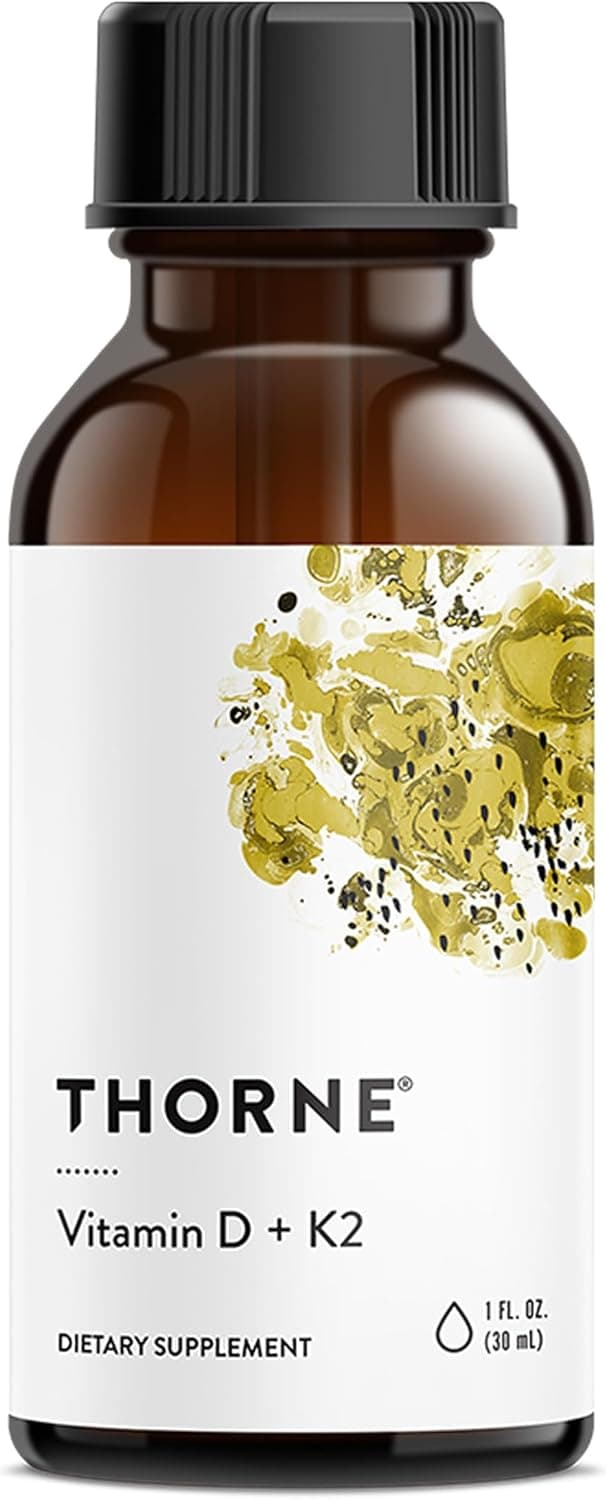
Thorne Vitamin D + K2 Liquid
Thorne
Flexible metered-drop liquid D3/K2 from a third-party certified brand — vitamin D deficiency correlates strongly with higher thyroid antibodies and worse skin.
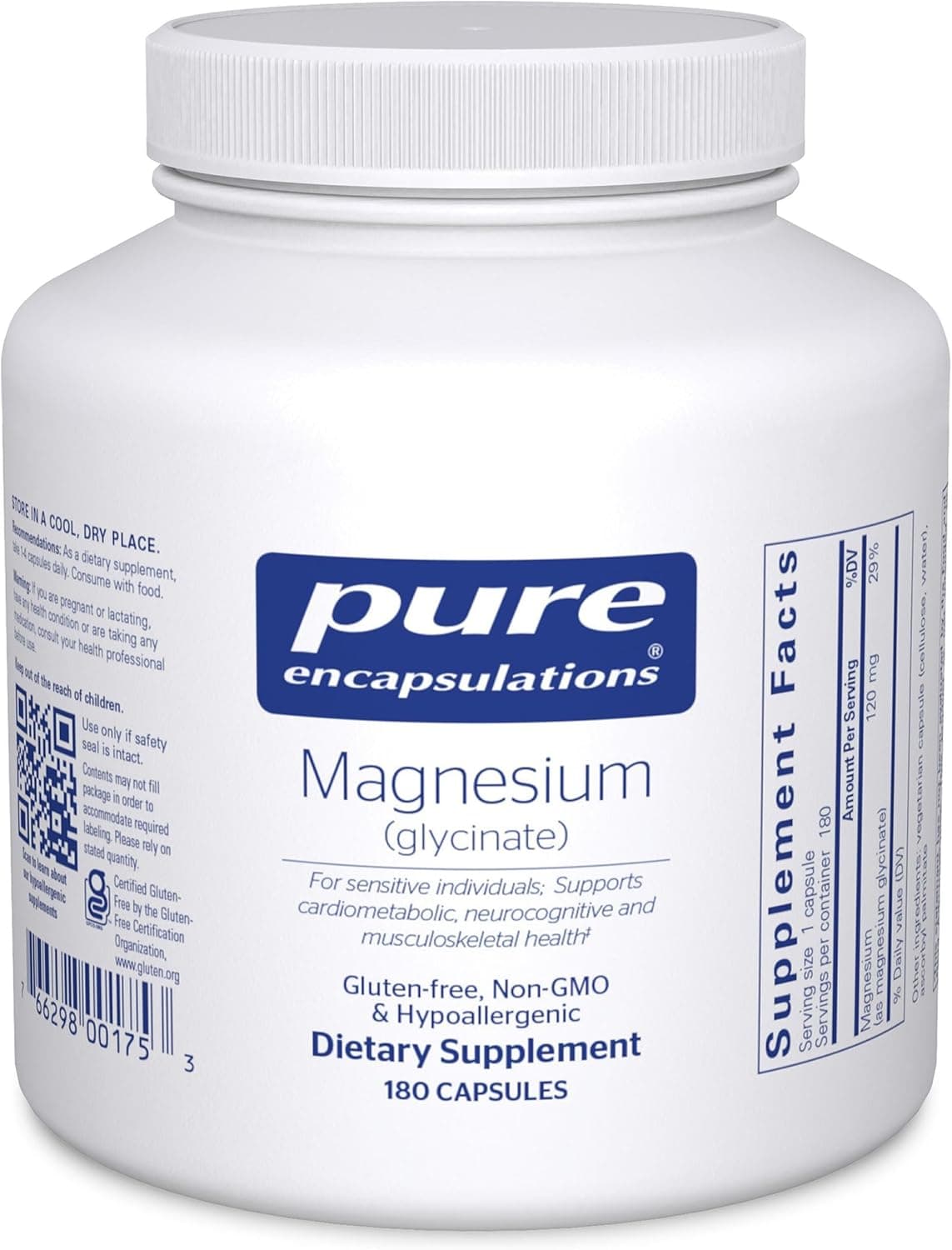
Pure Encapsulations Magnesium Glycinate
Pure Encapsulations
The cleanest, best-tolerated magnesium glycinate available — 4.6★ from 2,700+ verified reviews, named best overall by multiple expert roundups.
Want the full picture? Read our complete Histamine & MCAS supplement protocol.