The Low-FODMAP Diet: A Practical Guide for IBS
By StopTheFlare Research Team · Updated June 7, 2026
If you have IBS, you have probably heard of the low-FODMAP diet — and maybe been intimidated by it. It is the most evidence-backed dietary approach for IBS, with good trials showing it reduces bloating, pain, and irregular bowels in a majority of people who try it properly. The catch is that it is often done wrong: people restrict forever instead of using it as a structured, temporary test. Here is how to do it the right way.
What are FODMAPs?
FODMAP stands for Fermentable Oligosaccharides, Disaccharides, Monosaccharides, and Polyols — a group of short-chain carbohydrates that are poorly absorbed in the small intestine. In sensitive guts, they draw water into the bowel and are rapidly fermented by bacteria, producing gas, bloating, pain, and changes in bowel habits. They are found in a wide range of otherwise healthy foods, which is why people often cannot figure out their triggers by guesswork.
Common high-FODMAP foods include onion and garlic, wheat, certain fruits (apples, pears, mango), legumes, dairy with lactose, and sweeteners ending in “-ol” like sorbitol and xylitol.
The three phases (this is the key part)
The low-FODMAP diet is not a permanent way of eating — it is a three-phase diagnostic process. Skipping the later phases is the most common and most harmful mistake.
Phase 1: Elimination
For roughly 2 to 6 weeks, you remove high-FODMAP foods to calm symptoms and establish a clearer baseline. This phase is restrictive, which is exactly why it is meant to be short. If your symptoms improve, you know FODMAPs are involved.
Phase 2: Reintroduction
This is the phase people skip, and it is the most important. You systematically reintroduce one FODMAP group at a time, in increasing amounts, while everything else stays low-FODMAP. The goal is to learn which specific FODMAPs trigger you and at what dose — most people tolerate several of them fine. This is detective work that turns a blunt restriction into precise, personalized information.
Phase 3: Personalization
Using what you learned, you build a long-term diet that avoids only your actual triggers, in the amounts that bother you, while keeping everything you tolerate. The aim is the least restrictive diet that keeps you comfortable — protecting your gut microbiome and quality of life. Long-term, needlessly strict low-FODMAP eating can actually reduce beneficial gut bacteria, which is why personalization matters.
Doing it well
A few practical tips make this far more successful. Work with a dietitian if you can — the diet is complex and professional guidance dramatically improves results and prevents over-restriction. Use a reputable FODMAP app to check foods, since portion size matters (many foods are fine in small amounts). And do not start during an already chaotic period; the structure requires some consistency.
It is also worth confirming you are dealing with IBS and not something else first. Our guide on IBS vs IBD explains the difference and why it matters — the low-FODMAP diet is for IBS-type symptoms, not a substitute for diagnosing inflammatory bowel disease.
Supportive supplements
Diet does the heavy lifting, but a couple of supports can help around the edges. Digestive enzymes including lactase or alpha-galactosidase can ease specific reactions to dairy or legumes when you eat them. A well-studied probiotic like Florastor (S. boulardii) is sometimes used alongside dietary changes; our best supplements for leaky gut guide covers the broader options and our complete Gut Health protocol puts them in order.
The bottom line
The low-FODMAP diet is the most evidence-backed dietary tool for IBS — but only when done as a three-phase process: a short elimination, a careful reintroduction to find your real triggers, and a personalized long-term diet that is as liberal as possible. Treat it as a temporary experiment to learn from, not a permanent restriction, ideally with a dietitian’s help.
Frequently Asked Questions
- How long should you stay on the low-FODMAP diet?
- The strict elimination phase should only last about 2 to 6 weeks — long enough to calm symptoms, not indefinitely. After that you move into reintroduction to identify your triggers, then a personalized long-term diet that avoids only the FODMAPs that bother you. Staying in strict elimination long-term is a common mistake that can harm your gut microbiome.
- What foods are high in FODMAPs?
- Common high-FODMAP foods include onion and garlic, wheat-based products, certain fruits like apples, pears, and mango, legumes such as beans and lentils, lactose-containing dairy, and sugar alcohols like sorbitol and xylitol. Portion size matters, though — many of these are tolerated in small amounts, which is why a structured reintroduction is so useful.
- Does the low-FODMAP diet work for IBS?
- Yes — it is the most evidence-backed dietary approach for IBS, with trials showing a majority of people get meaningful relief from bloating, pain, and irregular bowels when it is done properly. The key is following all three phases rather than just eliminating foods, and confirming you actually have IBS rather than another condition first.
- Why is the reintroduction phase important?
- Reintroduction is where you learn which specific FODMAPs trigger you and at what amount — and most people tolerate several of them fine. Skipping it leaves you on a needlessly strict diet that can reduce beneficial gut bacteria and lower quality of life. The goal is the least restrictive diet that keeps you comfortable, which is only possible after reintroduction.
Related products
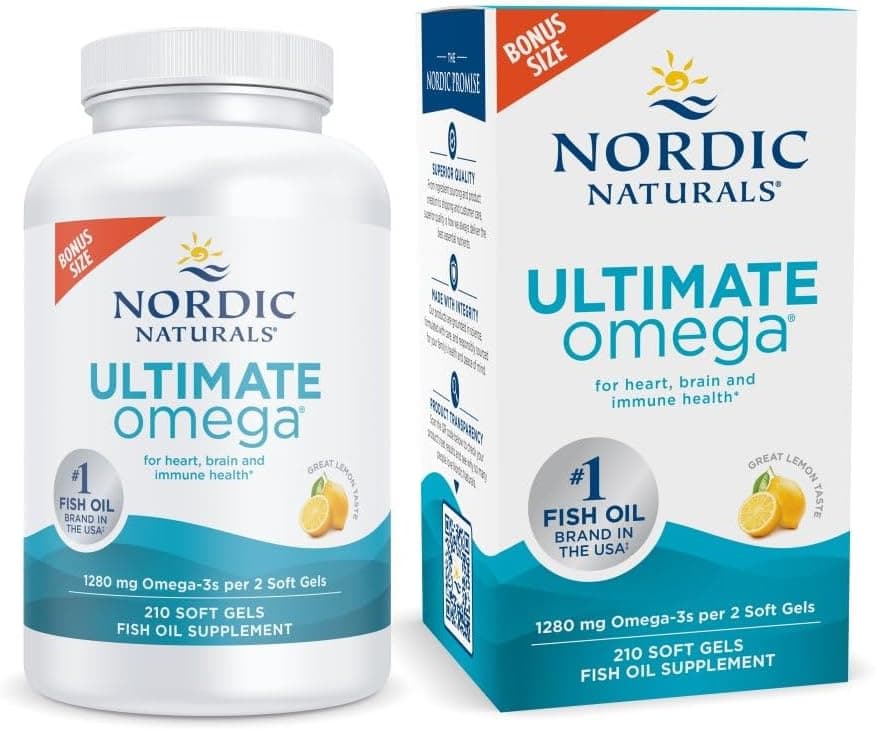
Nordic Naturals Ultimate Omega
Nordic Naturals
The most-reviewed triglyceride-form fish oil on Amazon (4.7★, 24k+ ratings) — the benchmark anti-inflammatory omega-3 across all five conditions.
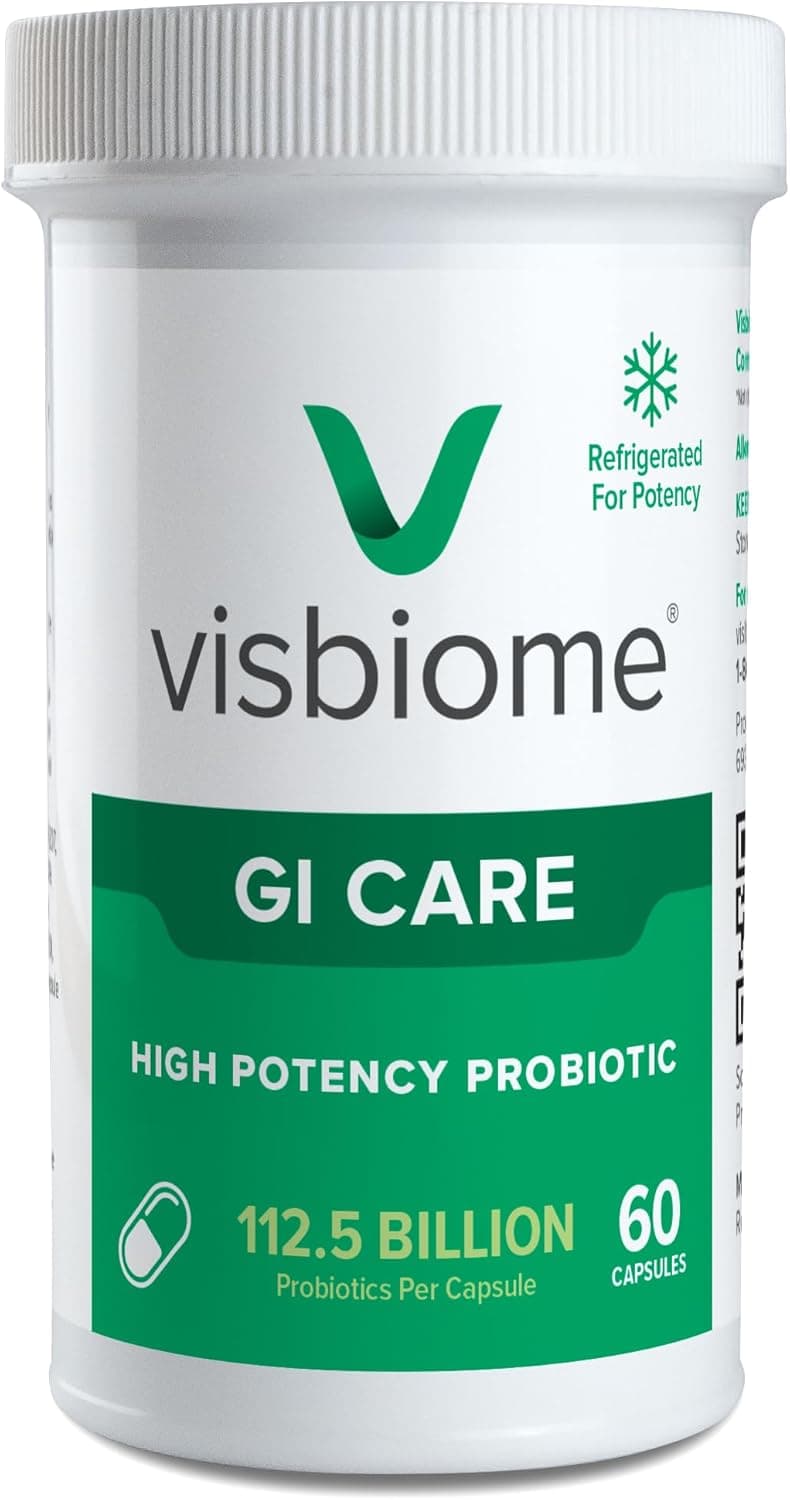
Visbiome High Potency Probiotic
Visbiome
The original De Simone formulation with 100+ human clinical trials — the single most evidence-backed probiotic for ulcerative colitis remission maintenance.
Want the full picture? Read our complete Gut Health supplement protocol.