IBS vs IBD: What’s the Difference (and Why It Changes Everything)
By StopTheFlare Research Team · Updated June 5, 2026
Two of the most confused terms in digestive health are IBS and IBD. They are separated by a single letter, share symptoms like pain and altered bowel habits, and get mixed up constantly — even in everyday conversation. But they are not the same thing, and confusing them can lead to the wrong approach entirely.
Understanding the difference matters because it changes everything: the seriousness, the testing, the treatment, and which supplements make sense. Here is a clear breakdown. For condition-specific support, see our gut health protocol.
The core difference: function vs damage
The simplest way to hold it: IBS is a problem of function; IBD is a problem of damage.
IBS — Irritable Bowel Syndrome
IBS is a functional disorder. The gut looks structurally normal under a camera, but it does not work properly — hypersensitive nerves, altered motility, and gut-brain miscommunication produce real symptoms (cramping, bloating, diarrhea and/or constipation). It does not cause visible inflammation or permanent damage, and it does not raise your risk of serious complications. It is common, genuinely disruptive, and very real — but not dangerous to the tissue.
IBD — Inflammatory Bowel Disease
IBD — mainly Crohn’s disease and ulcerative colitis — is an autoimmune-driven condition that causes actual inflammation and structural damage to the digestive tract. It can produce ulcers, bleeding, and complications, and it requires medical management to control. Warning signs that point toward IBD rather than IBS include blood in the stool, unintended weight loss, fever, nighttime symptoms that wake you, and anemia.
Why the distinction changes your approach
For IBS, the strategy centers on managing triggers and the gut-brain axis: a structured low-FODMAP approach, stress and motility support, peppermint, the right probiotic strains, and digestive enzymes if meals sit heavily.
For IBD, supplements are *supportive of*, never a replacement for, medical care. Strain-specific probiotics with actual remission data matter here — see our best probiotics for IBD — along with addressing the nutrient deficiencies that inflammation causes. A high-potency, clinically studied formula like Visbiome is the kind of product with IBD evidence behind it, while gut-lining support such as L-glutamine can play a role. The Crohn’s supplement protocol goes deeper.
How doctors tell them apart
Because symptoms overlap, IBD has to be ruled out before settling on an IBS diagnosis. Doctors use stool tests (like fecal calprotectin, a marker of intestinal inflammation), blood work, and often a colonoscopy to look for the inflammation and damage that define IBD. IBS is frequently a diagnosis made once those red flags are excluded.
When to see a doctor — don’t self-diagnose
This is the one area where self-diagnosis is risky. If you have blood in your stool, unexplained weight loss, fever, anemia, or symptoms that wake you at night, see a doctor — these point toward IBD and need evaluation. Do not assume stubborn gut symptoms are “just IBS” without ruling out the more serious cause.
Bottom line
IBS is a functional disorder — disruptive but not damaging. IBD is inflammatory and damaging and demands medical management. The supplements that help differ accordingly, so getting the diagnosis right is step one. Explore the full gut health protocol for the supportive options that fit each.
Frequently Asked Questions
- What is the main difference between IBS and IBD?
- IBS (irritable bowel syndrome) is a functional disorder — the gut looks structurally normal but does not work properly, causing real symptoms without inflammation or damage. IBD (inflammatory bowel disease), which includes Crohn’s and ulcerative colitis, causes actual inflammation and structural damage to the digestive tract and requires medical management.
- How do doctors tell IBS and IBD apart?
- Because symptoms overlap, doctors rule out IBD before diagnosing IBS. They use stool markers like fecal calprotectin to detect intestinal inflammation, blood work to check for anemia and inflammation, and often a colonoscopy to look for the ulcers and damage that define IBD. IBS is frequently diagnosed once those red flags are excluded.
- Can the same supplements help both IBS and IBD?
- There is some overlap, but the emphasis differs. IBS support centers on triggers and the gut-brain axis — low-FODMAP strategies, peppermint, the right probiotic strains, and enzymes. IBD requires strain-specific probiotics with remission evidence and correcting inflammation-driven deficiencies, always alongside medical care rather than in place of it.
- When should I see a doctor for gut symptoms?
- See a doctor promptly if you have blood in your stool, unexplained weight loss, fever, anemia, or symptoms that wake you at night — these point toward IBD rather than IBS and need evaluation. Do not assume persistent gut symptoms are just IBS without ruling out the more serious cause first.
Related products
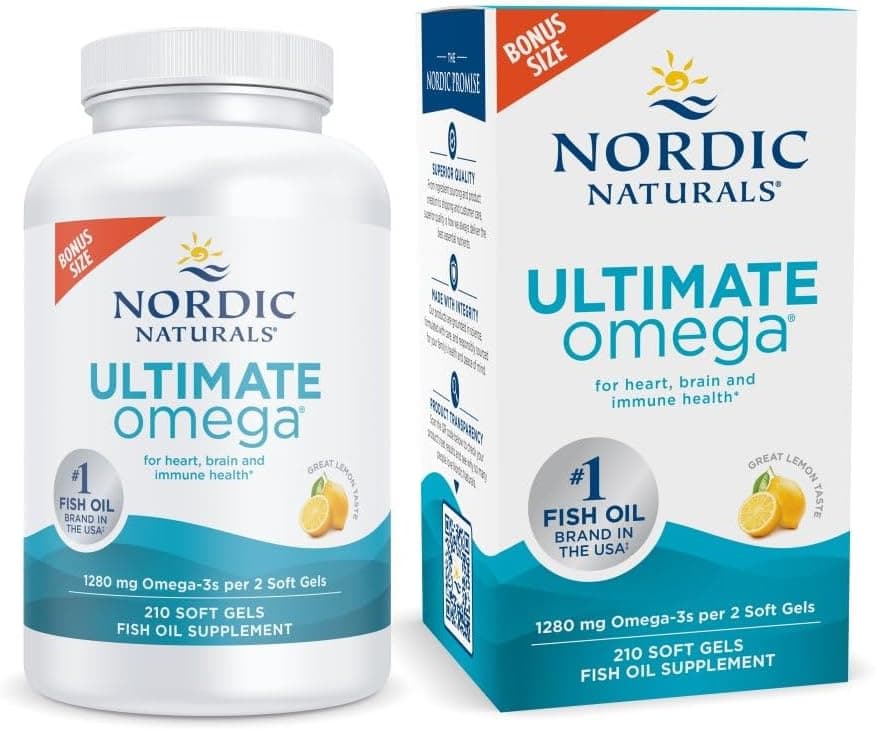
Nordic Naturals Ultimate Omega
Nordic Naturals
The most-reviewed triglyceride-form fish oil on Amazon (4.7★, 24k+ ratings) — the benchmark anti-inflammatory omega-3 across all five conditions.
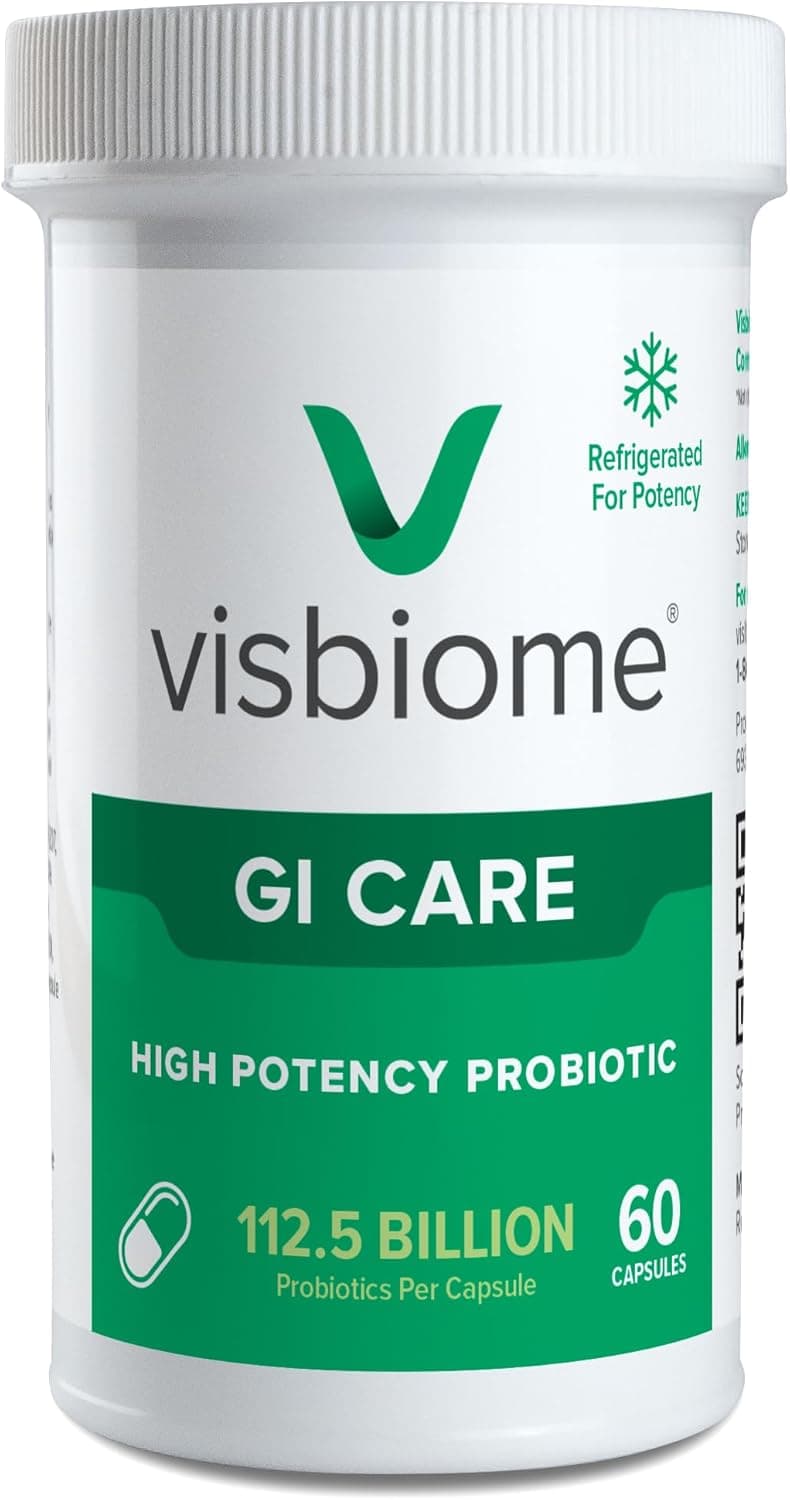
Visbiome High Potency Probiotic
Visbiome
The original De Simone formulation with 100+ human clinical trials — the single most evidence-backed probiotic for ulcerative colitis remission maintenance.
Want the full picture? Read our complete Gut Health supplement protocol.