Leaky Gut Supplements: What Actually Repairs the Gut Lining
By StopTheFlare Research Team · Updated May 30, 2026
“Leaky gut” — known clinically as increased intestinal permeability — is the idea that the tight junctions between the cells lining your gut loosen, letting partially digested food and bacterial fragments cross into circulation and provoke inflammation. It is increasingly recognized in research and is especially relevant if you live with an autoimmune condition or IBD.
The good news: a handful of supplements have genuine, mechanism-backed evidence for supporting the gut barrier. The bad news: the category is flooded with overpriced “gut healing” blends. Below is what actually earns a place, and why. For the complete plan, see our gut health protocol.
1. L-Glutamine — fuel for the gut lining
Glutamine is the primary fuel source for enterocytes, the rapidly dividing cells that line your small intestine. Under stress, illness, or inflammation, demand outstrips supply, and the barrier can suffer. Supplementing helps those cells regenerate and has been shown to support tight-junction integrity.
A typical repair dose is 5 grams once or twice daily of a plain powder mixed in water, away from food. Thorne L-Glutamine is a clean, single-ingredient option. Our L-glutamine guide covers dosing and who should be cautious.
2. Zinc-carnosine — the underrated gut protector
Zinc-carnosine is a chelated compound studied extensively in Japan for the stomach and intestinal lining. Unlike plain zinc, it sticks to areas of irritation and supports mucosal repair while tempering inflammation. It is one of the most evidence-backed yet least-marketed gut supplements. Doctor’s Best PepZin GI delivers the studied 75 mg dose.
3. Butyrate — feeding the colon directly
Butyrate is a short-chain fatty acid your gut bacteria normally make from fiber, and it is the preferred fuel for the cells lining your colon. If your microbiome is depleted, supplementing butyrate directly — such as BodyBio Butyrate — can support the barrier and calm inflammation while you rebuild fiber tolerance.
4. The right probiotic — strain matters more than CFU
The single biggest mistake people make is chasing the highest CFU count on the label. Strain selection matters far more than the number. For barrier support and general resilience, a well-formulated synbiotic like Seed DS-01 is a reasonable daily choice. If you have IBD specifically, see our dedicated best probiotics for IBD guide — some strains have remission data and others have none.
A note on digestive enzymes and DGL
If you get bloating and feel like food “sits” in your stomach, a broad-spectrum digestive enzyme with meals can reduce the fermentation that aggravates a leaky gut. Deglycyrrhizinated licorice (DGL) supports the mucus layer of the upper GI tract and is a gentle add-on for reflux-prone people.
What to skip
Most “leaky gut cure” powders are L-glutamine plus a pinch of marketing at triple the price — buy the single ingredients instead. Bone broth is nourishing food but is not a substitute for the targeted compounds above. And no supplement works if you keep feeding the fire: alcohol, frequent NSAIDs, and chronic stress all loosen tight junctions.
How to build your stack
A sensible 8-to-12-week repair phase: L-glutamine 5 g daily, zinc-carnosine 75 mg, and a quality probiotic — adding butyrate if your fiber intake is low. Reassess symptoms before adding more. The full tiered approach, including what to look for on labels, is in our complete gut health protocol, and you can go deeper in our leaky gut supplements roundup.
Frequently Asked Questions
- What is the best supplement for leaky gut?
- L-glutamine has the most direct mechanism — it is the primary fuel for the cells lining your small intestine and supports tight-junction integrity, typically at 5 grams once or twice daily. Zinc-carnosine is a strong second for mucosal repair. Most people do best combining a couple of targeted ingredients rather than a pricey blend.
- How long does it take to heal a leaky gut?
- Most repair protocols run 8 to 12 weeks, but it depends on the underlying cause. Supplements like L-glutamine and zinc-carnosine support the lining, but lasting results require removing the triggers — alcohol, frequent NSAIDs, untreated infections, and chronic stress — that loosen tight junctions in the first place.
- Do I need a high-CFU probiotic to heal my gut?
- No. Strain selection matters far more than the CFU count on the label. A 50-billion CFU blend of random strains is not better than a clinically studied product at a lower count. Match the strain to your goal or condition, start low, and give it 8 to 12 weeks.
- Is bone broth good for leaky gut?
- Bone broth is a nourishing, collagen-rich food and a fine addition to the diet, but it is not a replacement for targeted compounds like L-glutamine, zinc-carnosine, or butyrate that have direct mechanisms on the gut barrier. Treat it as supportive food, not a cure.
Related products
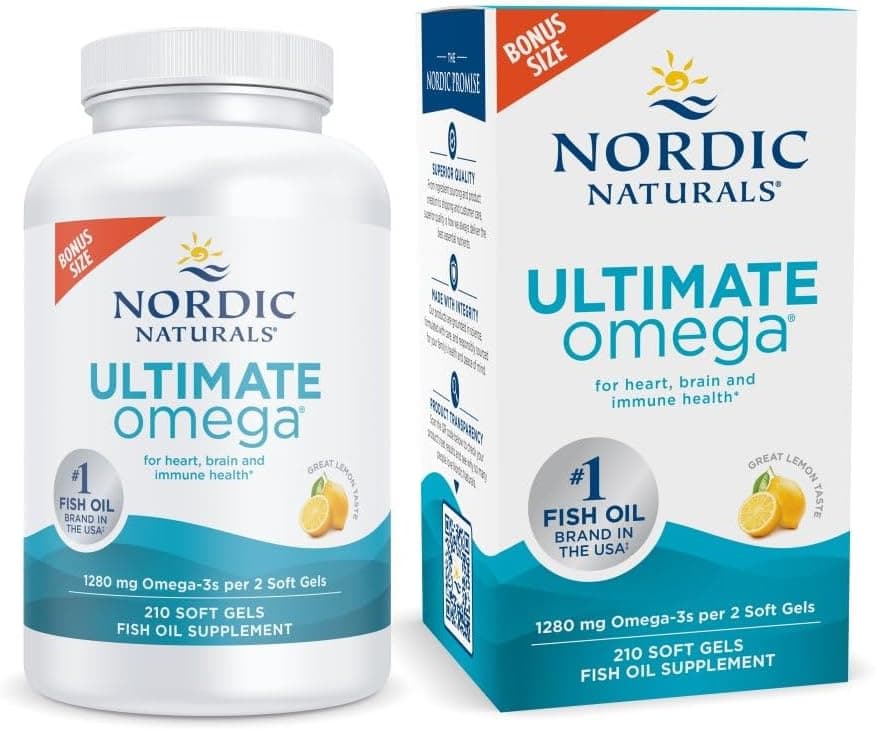
Nordic Naturals Ultimate Omega
Nordic Naturals
The most-reviewed triglyceride-form fish oil on Amazon (4.7★, 24k+ ratings) — the benchmark anti-inflammatory omega-3 across all five conditions.
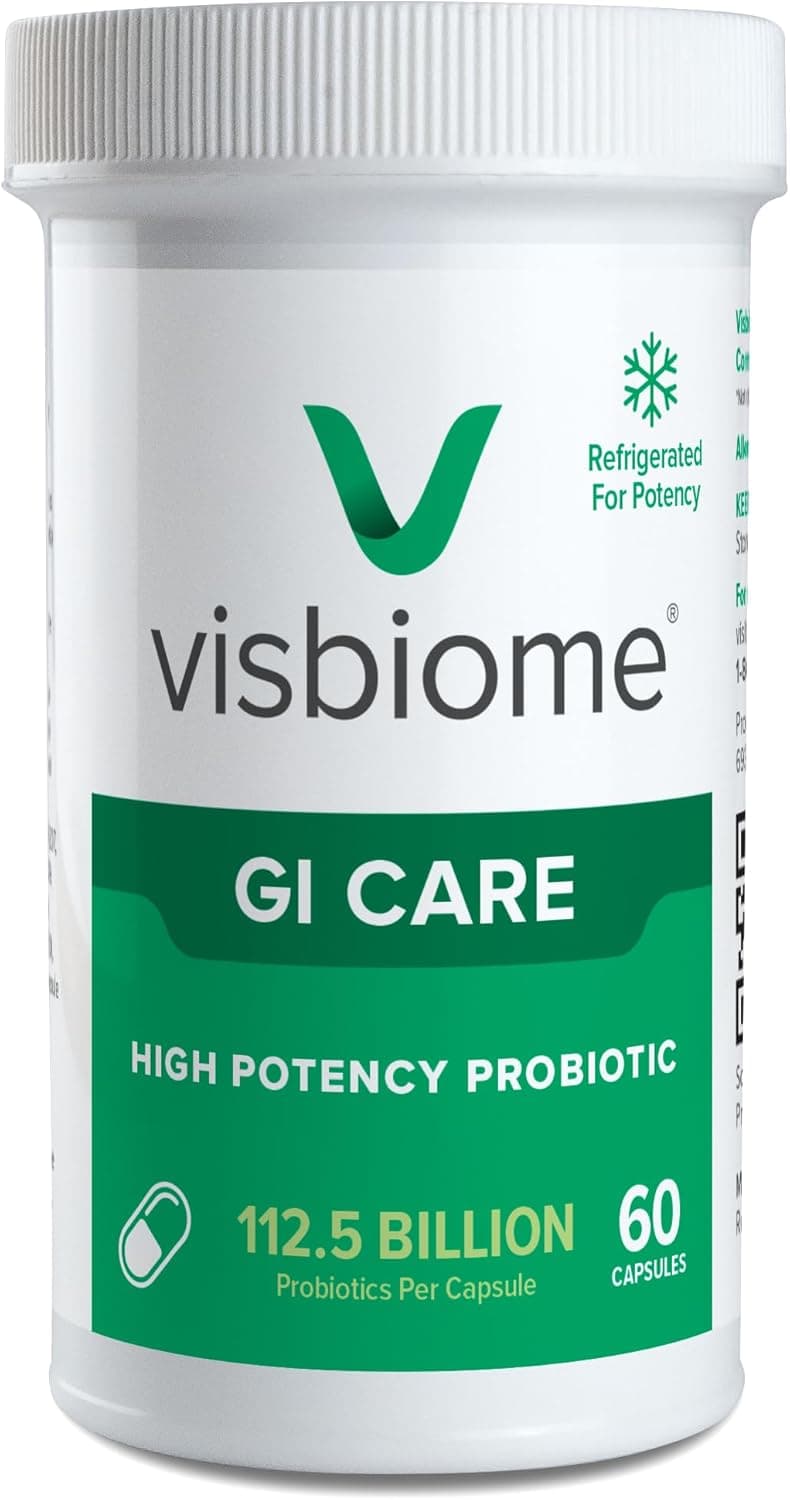
Visbiome High Potency Probiotic
Visbiome
The original De Simone formulation with 100+ human clinical trials — the single most evidence-backed probiotic for ulcerative colitis remission maintenance.
Want the full picture? Read our complete Gut Health supplement protocol.