Fish Oil for Skin: Does Omega-3 Help Eczema & Psoriasis?
By StopTheFlare Research Team · Updated June 7, 2026
Fish oil shows up in almost every conversation about skin health, and for once the hype has real science behind it — though not in the way the most breathless claims suggest. Omega-3 fatty acids genuinely influence inflammation, and inflammation drives both eczema and psoriasis. Here is an honest look at what fish oil can do for your skin, and how to use it sensibly.
Why omega-3s matter for skin
Eczema and psoriasis are both inflammatory, immune-driven conditions. The omega-3 fats in fish oil — EPA and DHA — are raw material your body uses to make anti-inflammatory signaling molecules, and they compete with omega-6 fats that tend to push inflammation the other way. Most modern diets are heavily skewed toward omega-6, so adding omega-3s helps rebalance the inflammatory tone of the whole body, skin included.
There is also a barrier angle: omega-3s support healthy skin lipids and help the skin hold onto moisture, which matters in eczema where a leaky barrier is central. Our guide on topical steroid alternatives covers how barrier repair and anti-inflammatory support work together.
What the evidence shows
The honest summary: omega-3s have modest, supportive evidence for inflammatory skin — helpful as part of a plan, not a cure on their own.
Eczema
Studies on fish oil for eczema are mixed but lean positive, with several showing reduced severity and itch over time. The effect is gradual and works best as a foundational anti-inflammatory rather than a flare rescue. It will not replace a good moisturizer or prescription treatment, but it can lower the baseline.
Psoriasis
Omega-3s have been studied more in psoriasis, where they may reduce redness, scaling, and itch, and where they make particular sense given psoriasis’s links to systemic inflammation and cardiovascular risk — omega-3s support the heart too. Again, the benefit is supportive and additive to standard care. Our vitamin D for psoriasis guide covers another evidence-based nutrient for this condition.
How to use fish oil for skin
A few practical points make the difference between a useful supplement and a waste of money.
Dose and quality
Skin benefits in studies generally come from meaningful doses of combined EPA and DHA, not the tiny amounts in cheap capsules. A high-quality, properly concentrated omega-3 fish oil that lists its actual EPA and DHA content — and is third-party tested for purity and freshness — is worth the modest extra cost. Rancid fish oil is pro-inflammatory, the opposite of what you want.
Cod liver oil as an alternative
For eczema and psoriasis specifically, cod liver oil is an interesting option because it supplies omega-3s alongside naturally occurring vitamins A and D, both relevant to skin and immune function. Just be mindful that it contains vitamin A, so do not double up with other high-dose vitamin A sources.
Give it time
Omega-3s work slowly. Expect to give it 8 to 12 weeks of consistent daily use before judging whether it helps, and use it alongside — not instead of — your core skincare and any prescribed treatment.
Where it fits
Fish oil is a solid foundational support for inflammatory skin, best combined with relentless barrier-repair moisturizing, trigger management, and adequate vitamin D. Our best supplements for eczema roundup ranks the options, and the complete Eczema & Skin protocol puts the whole plan together.
The bottom line
Omega-3 fish oil has modest but real evidence for easing eczema and psoriasis by lowering systemic inflammation and supporting the skin barrier. Use a high-quality, properly dosed product, give it a couple of months, and treat it as a foundational add-on to good skincare and medical care — not a standalone cure.
Frequently Asked Questions
- Does fish oil help eczema?
- The evidence is modest but leans positive — several studies show fish oil reduces eczema severity and itch over time by lowering inflammation and supporting the skin barrier. It works gradually as a foundational support, not as a flare rescue, and does not replace moisturizer or prescription treatment. Give it 8 to 12 weeks of consistent use to judge the effect.
- How much fish oil should I take for skin?
- Skin benefits in studies generally come from meaningful combined EPA and DHA doses, not the small amounts in cheap capsules. Choose a concentrated, third-party-tested product that lists its actual EPA and DHA content, and follow its dosing. Quality and freshness matter — rancid fish oil is pro-inflammatory — so buy from a reputable brand.
- Is cod liver oil good for psoriasis?
- Cod liver oil is a reasonable option because it supplies omega-3s plus naturally occurring vitamins A and D, all relevant to skin and immune function in psoriasis. The main caution is its vitamin A content — avoid combining it with other high-dose vitamin A sources. Like regular fish oil, it is supportive and additive to standard care rather than a cure.
- How long does fish oil take to help skin?
- Omega-3s act slowly, so expect to take a quality fish oil consistently for about 8 to 12 weeks before judging whether it helps your eczema or psoriasis. Use it alongside your core skincare, trigger management, and any prescribed treatment rather than expecting it to work on its own.
Related products
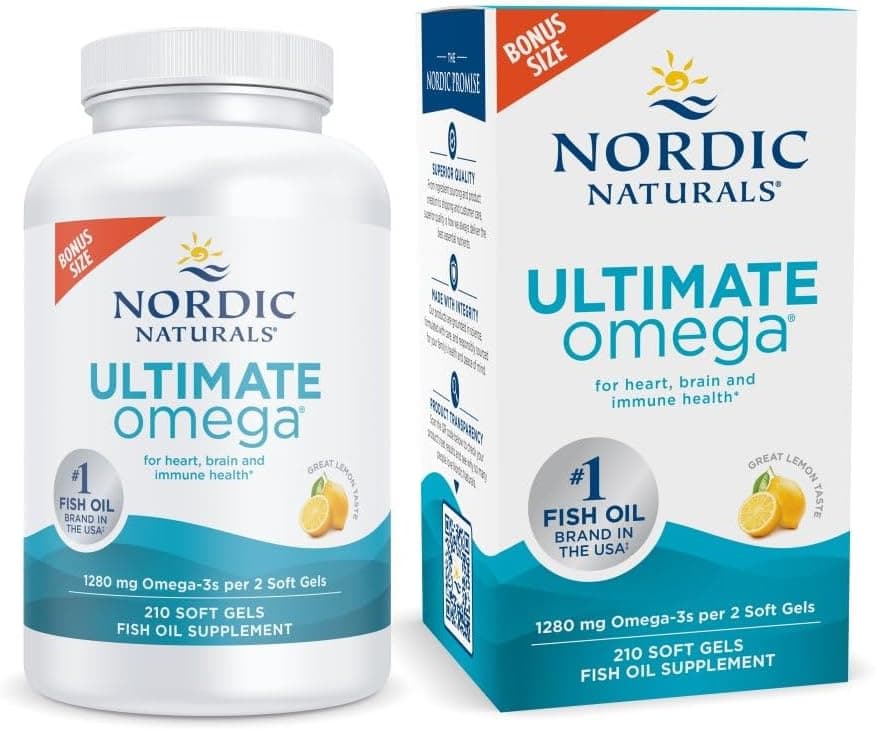
Nordic Naturals Ultimate Omega
Nordic Naturals
The most-reviewed triglyceride-form fish oil on Amazon (4.7★, 24k+ ratings) — the benchmark anti-inflammatory omega-3 across all five conditions.
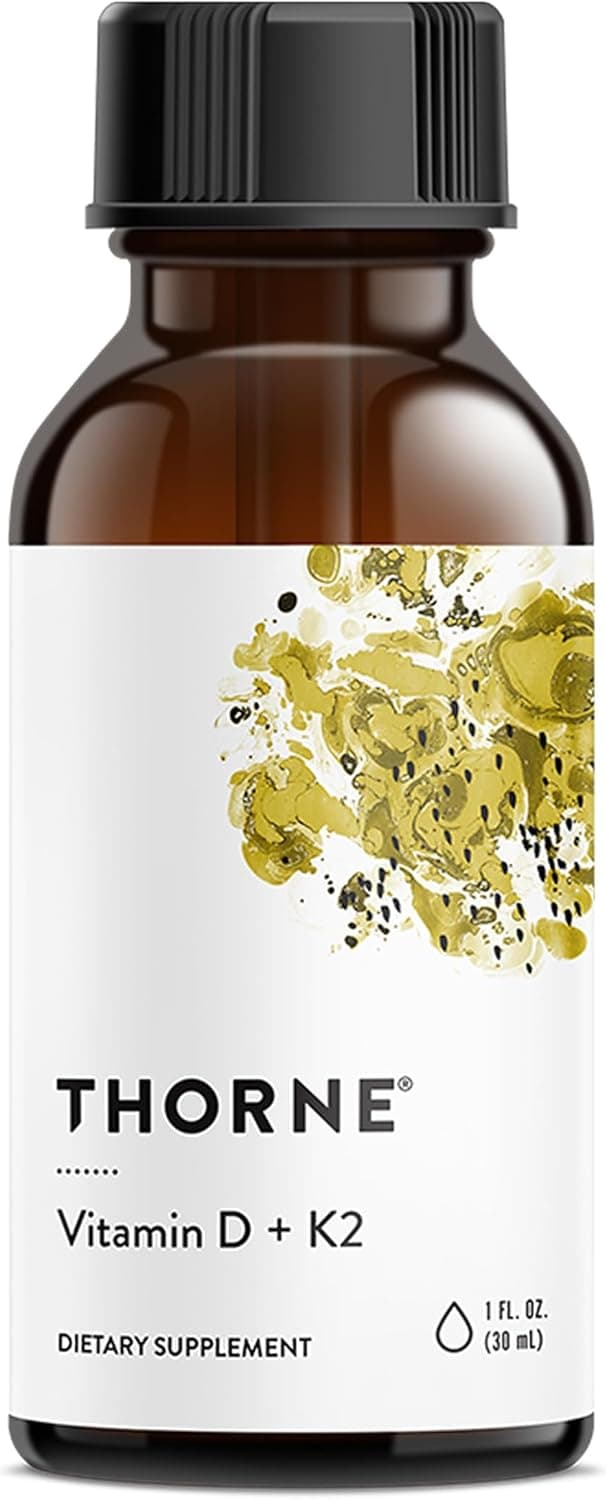
Thorne Vitamin D + K2 Liquid
Thorne
Flexible metered-drop liquid D3/K2 from a third-party certified brand — vitamin D deficiency correlates strongly with higher thyroid antibodies and worse skin.
Want the full picture? Read our complete Eczema & Skin supplement protocol.