Best Supplements for Eczema: The Gut-Skin Connection Explained
By StopTheFlare Research Team · Updated May 26, 2026
Eczema (atopic dermatitis) is more than dry skin — it is a chronic inflammatory condition with a damaged skin barrier and an overactive immune response. Topicals manage the surface, but if flares keep coming back, the drivers are often systemic: inflammation, nutrient gaps, and the state of your gut. This is the gut-skin axis, and it is where supplements can help.
Below are the four supplements with the best evidence for calming eczema from the inside, plus how to support the barrier topically. For the full plan, see our eczema and skin protocol.
1. Omega-3 fish oil — lowering the inflammatory tone
Eczema is fundamentally inflammatory, and the omega-3 fatty acids EPA and DHA shift your body toward less inflammatory signaling. Several studies link higher omega-3 intake with reduced eczema severity and itch. The key is dose — you need meaningful EPA/DHA, not a token amount. A concentrated fish oil like Nordic Naturals Ultimate Omega makes it easy to reach a therapeutic intake. Our fish oil for skin inflammation guide covers target doses.
2. Vitamin D — barrier and immune support
Vitamin D plays a direct role in skin-barrier function and immune regulation, and low levels are consistently associated with more severe eczema. Supplementing has reduced symptom scores in trials, with the biggest benefit in those who are deficient or flare in winter. Thorne Vitamin D + K2 lets you titrate to a blood level of 40–60 ng/mL — test first, then dose.
3. Zinc — for repair and a leaky barrier
Zinc is essential for skin repair and wound healing, and people with eczema often run low. It supports the structural integrity of the skin and helps temper the immune overreaction. Thorne Zinc Picolinate at 30 mg with food is a well-absorbed choice; pair with a little copper if used long-term.
4. Probiotics — working the gut-skin axis
This is where eczema gets interesting. A growing body of research connects gut microbiome diversity to skin inflammation, and specific probiotic strains have reduced eczema severity — particularly in children and during pregnancy. A well-formulated synbiotic such as Seed DS-01 is a reasonable daily option. We dig into the trials in our probiotics for eczema review.
Don’t forget the barrier itself
Supplements work best alongside diligent barrier care. A ceramide-based moisturizer like CeraVe Eczema Relief Cream applied to damp skin helps lock in moisture and reduce the trans-epidermal water loss that triggers the itch-scratch cycle. Internal and external care are partners, not alternatives.
What about collagen, curcumin, and cod liver oil?
Curcumin (as a bioavailable phytosome) is a reasonable add-on for its anti-inflammatory effect, and cod liver oil supplies omega-3s plus vitamins A and D in one. Collagen peptides support skin hydration and the gut lining, which fits the gut-skin theme. These are sensible tier-two options once the four foundations above are in place.
Building your eczema stack
Start with the anti-inflammatory foundation — omega-3s and vitamin D — add zinc and a quality probiotic, and stay consistent with barrier moisturizing. Give it 8–12 weeks; skin is slow to turn over. The complete tiered protocol with doses is in our eczema and skin guide, and you can compare specific products in our best supplements for eczema roundup.
Frequently Asked Questions
- What supplements help with eczema?
- The best-evidenced are omega-3 fish oil (EPA/DHA) to lower inflammation, vitamin D for barrier and immune support, zinc for skin repair, and specific probiotic strains that work the gut-skin axis. These support — but do not replace — consistent topical moisturizing and any prescribed treatment.
- Can probiotics really help eczema?
- There is meaningful evidence, especially in children and during pregnancy, that certain probiotic strains reduce eczema severity by influencing the gut-skin axis. Results depend heavily on the strain, so choose a well-formulated, clinically studied product and give it 8 to 12 weeks rather than expecting an overnight change.
- Is fish oil good for eczema?
- Yes — the EPA and DHA in fish oil shift the body toward less inflammatory signaling, and studies link higher omega-3 intake with reduced eczema severity and itch. The key is a meaningful dose of EPA/DHA from a concentrated product, not a token amount in a cheap softgel.
- How long until supplements improve my eczema?
- Skin turns over slowly, so plan on 8 to 12 weeks of consistent use before judging results. Supplements work best alongside diligent barrier care — moisturizing damp skin with a ceramide cream — and removing personal triggers identified through patch testing or an elimination approach.
Related products
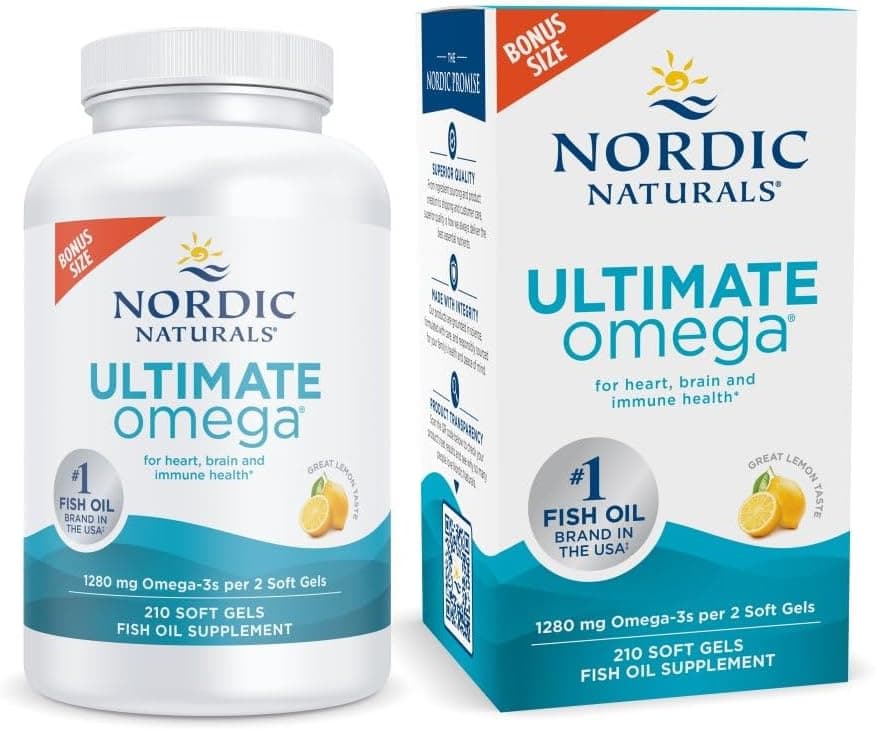
Nordic Naturals Ultimate Omega
Nordic Naturals
The most-reviewed triglyceride-form fish oil on Amazon (4.7★, 24k+ ratings) — the benchmark anti-inflammatory omega-3 across all five conditions.
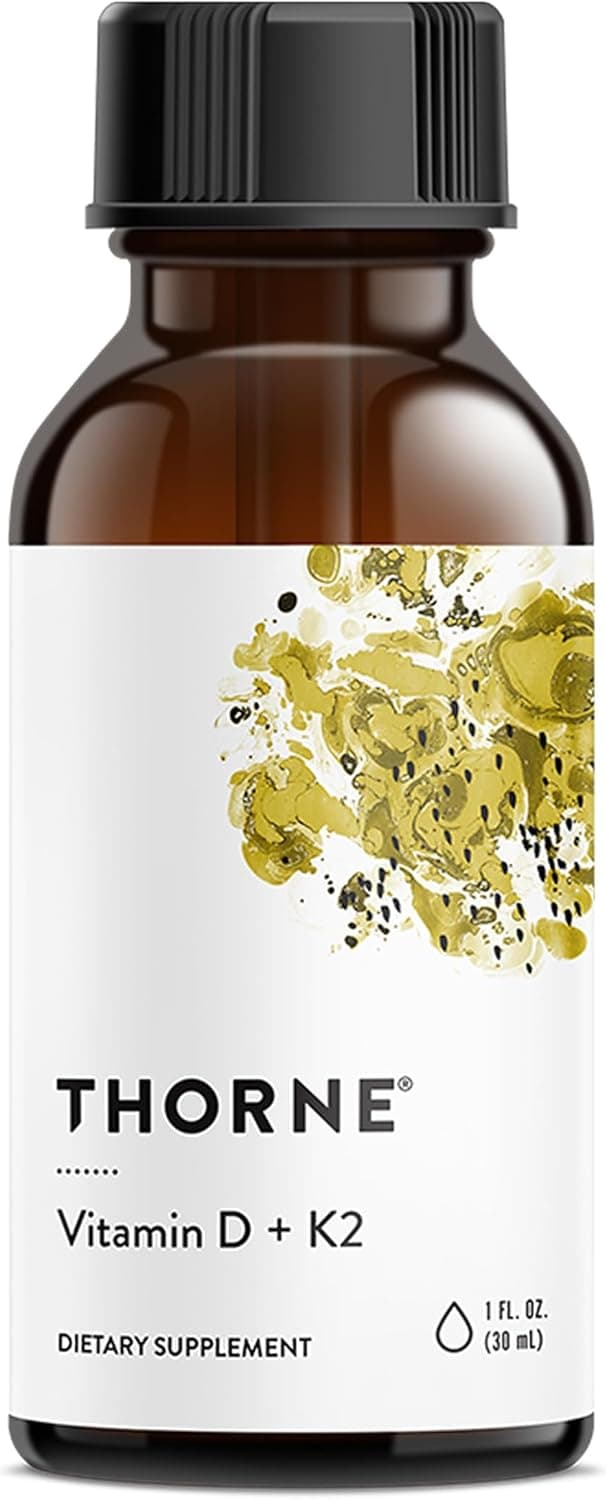
Thorne Vitamin D + K2 Liquid
Thorne
Flexible metered-drop liquid D3/K2 from a third-party certified brand — vitamin D deficiency correlates strongly with higher thyroid antibodies and worse skin.
Want the full picture? Read our complete Eczema & Skin supplement protocol.