Does Collagen Heal Your Gut? What the Evidence Actually Says
By StopTheFlare Research Team · Updated June 7, 2026
Scroll any gut-health feed and you will see collagen sold as the answer to leaky gut, bloating, and a damaged gut lining. The pitch is appealing: collagen is rich in the amino acids that make up your gut wall, so adding more should rebuild it. But does the science back that up? Here is an honest look at what collagen can and cannot do for your gut.
Why collagen gets linked to the gut
Your gut lining is built largely from protein, and collagen supplies amino acids — especially glycine, proline, and glutamine — that the body uses to build and repair connective tissue, including the cells lining your digestive tract. That biological logic is real. The leap people make is assuming that eating collagen sends those amino acids straight to your gut wall, which is not quite how digestion works.
When you consume collagen, your body breaks it down into individual amino acids and small peptides, then uses them wherever it needs them — not necessarily your gut. So collagen is a useful source of these building blocks, but it is not a targeted gut patch.
What the evidence supports
The honest summary: direct, high-quality human evidence for collagen “healing” the gut is thin. Most claims are extrapolated from the role of its amino acids rather than from trials on collagen itself.
Glycine and glutamine
The strongest rationale comes from the individual amino acids. Glutamine is the primary fuel for the cells lining your small intestine and has the most direct research for gut-barrier support — which is why it shows up in most gut protocols. Glycine has anti-inflammatory and tissue-repair roles. Collagen happens to be a good natural source of both, which is the most defensible reason to use it.
Where the hype runs ahead
Claims that collagen specifically seals a leaky gut, cures IBS, or eliminates bloating are not supported by solid trials. If a product promises any of that, treat it as marketing. Collagen may help indirectly by improving overall protein and amino-acid intake, but that is a long way from a cure.
How to use collagen sensibly
If you want to try it, treat collagen as a convenient, well-tolerated protein source that happens to be rich in gut-relevant amino acids — not a miracle. A standard scoop of collagen peptides mixes easily into coffee or smoothies and is gentle on most stomachs.
If your real goal is gut-barrier support, the more evidence-backed move is to target glutamine directly. A dedicated L-glutamine supplement delivers the amino acid your intestinal lining actually uses for fuel, at a meaningful dose. Many people use both: collagen for general protein and glycine, glutamine for focused barrier support.
What matters more than collagen
For most gut issues, the foundations outweigh any single powder: a fiber-rich, whole-food diet that feeds your microbiome, identifying trigger foods, managing stress, and — where appropriate — a quality probiotic. Our best supplements for leaky gut guide walks through the options that have the most support, and our complete Gut Health protocol puts them in order of priority.
If your symptoms are significant or persistent, it is worth ruling out specific conditions rather than self-treating — our explainer on IBS vs IBD covers why that distinction matters.
The bottom line
Collagen is a fine, well-tolerated protein source rich in glycine and the building blocks your gut lining uses — but the claim that it directly “heals” your gut outruns the evidence. Use it as a supportive add-on, lean on glutamine for targeted barrier support, and put diet and the microbiome first.
Frequently Asked Questions
- Does collagen really heal a leaky gut?
- There is no strong human trial evidence that collagen specifically heals or seals a leaky gut. Collagen supplies amino acids like glycine and glutamine that the gut lining uses, so it may help indirectly, but claims of curing leaky gut are marketing rather than science. Glutamine has more direct evidence for gut-barrier support.
- Collagen or glutamine for gut health?
- For targeted gut-barrier support, glutamine has the stronger rationale — it is the main fuel for the cells lining your small intestine. Collagen is better thought of as a general protein source rich in glycine. Many people use both: glutamine for focused support and collagen for overall amino-acid intake.
- How much collagen should I take for gut health?
- A typical serving is one to two scoops (around 10 to 20 grams) of collagen peptides daily, which mixes into coffee or smoothies. There is no established “gut-healing” dose because the direct evidence is limited, so treat it as a protein supplement rather than a precise therapy.
- Is collagen worth it for bloating or IBS?
- Collagen is not a proven treatment for bloating or IBS. If you have persistent digestive symptoms, the higher-yield steps are identifying trigger foods, supporting your microbiome with fiber and a quality probiotic, managing stress, and ruling out specific conditions with a clinician rather than relying on collagen.
Related products
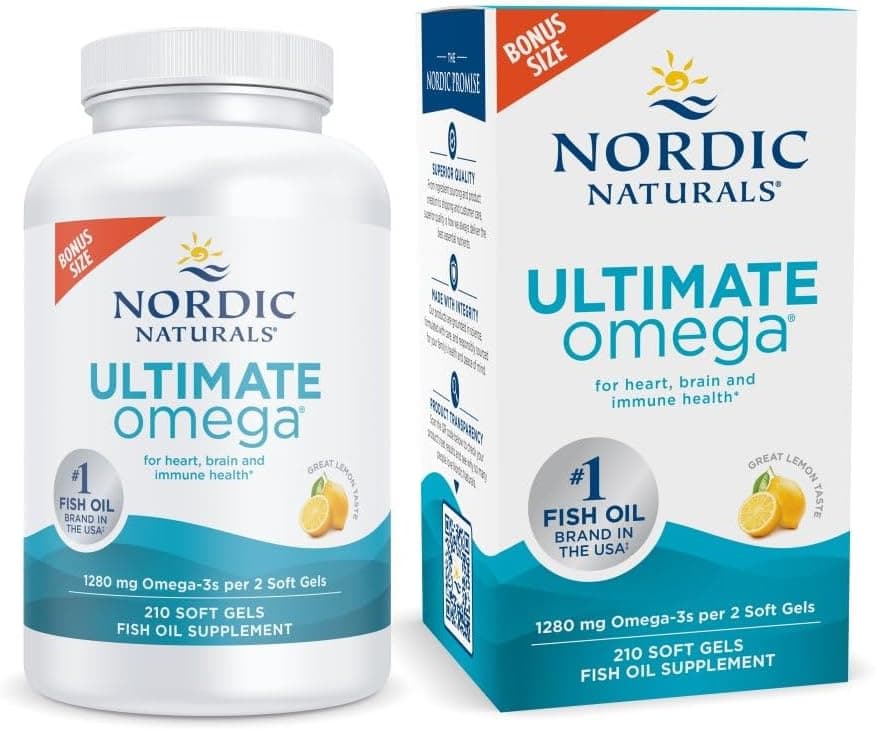
Nordic Naturals Ultimate Omega
Nordic Naturals
The most-reviewed triglyceride-form fish oil on Amazon (4.7★, 24k+ ratings) — the benchmark anti-inflammatory omega-3 across all five conditions.
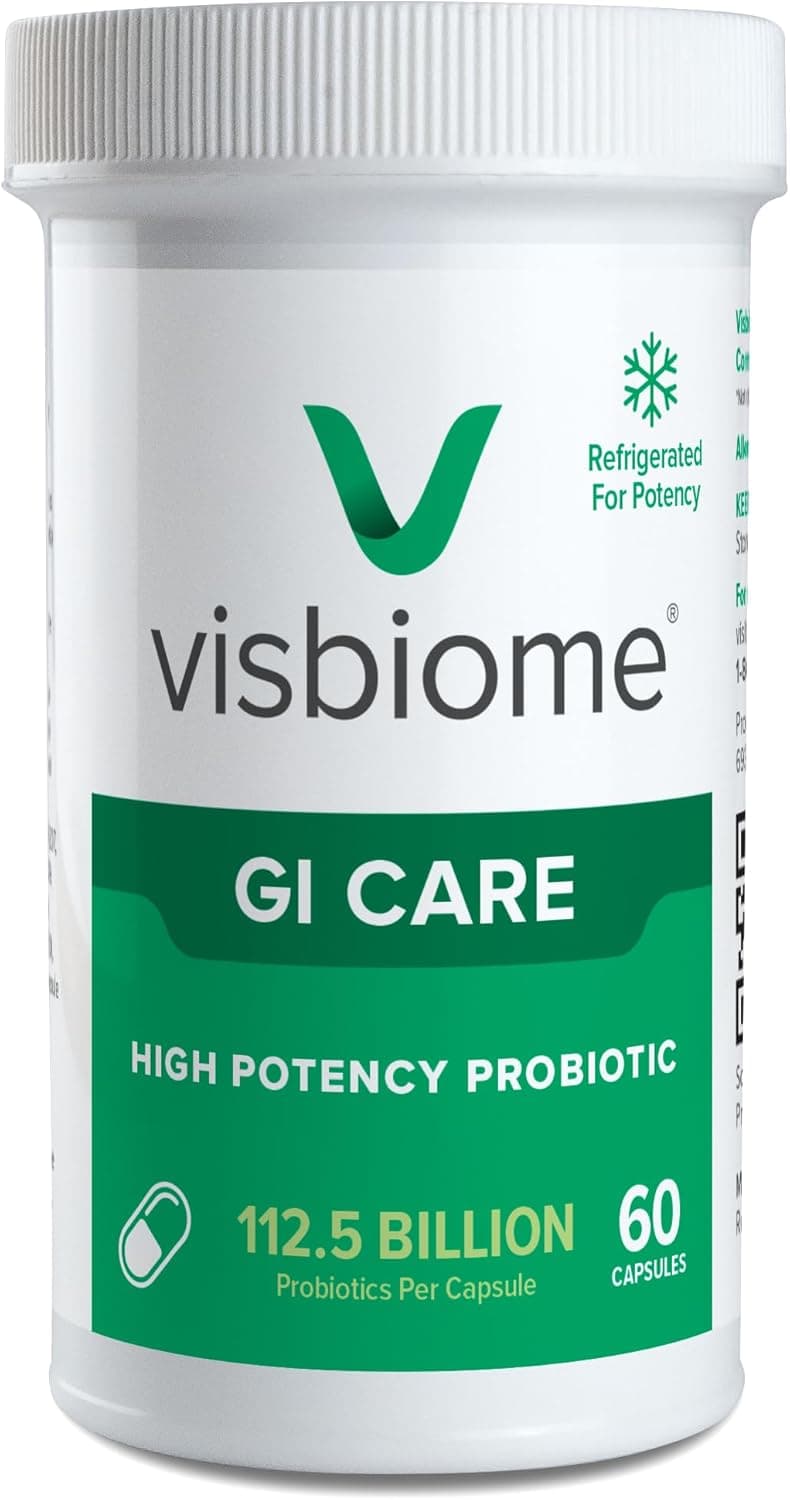
Visbiome High Potency Probiotic
Visbiome
The original De Simone formulation with 100+ human clinical trials — the single most evidence-backed probiotic for ulcerative colitis remission maintenance.
Want the full picture? Read our complete Gut Health supplement protocol.