The Adrenal-Thyroid Connection: Cortisol, Stress & Hashimoto’s
By StopTheFlare Research Team · Updated June 7, 2026
If you have Hashimoto’s and your symptoms flare during stressful periods — or you feel wired-but-tired no matter what your thyroid labs say — you may be running into the adrenal-thyroid connection. Stress hormones and thyroid hormones are deeply intertwined, and chronic stress can quietly undermine thyroid function. Here is what that link actually is, separated from the “adrenal fatigue” hype.
How stress and thyroid hormones interact
Your adrenal glands release cortisol, the main stress hormone, as part of the HPA axis — the system that manages your stress response. Cortisol and thyroid hormone are designed to work together, but when stress becomes chronic, the balance tips in ways that work against you.
What chronic cortisol does
Sustained high cortisol can suppress TSH signaling from the pituitary, reduce the conversion of inactive T4 into active T3, and increase reverse T3 — an inactive form that blunts thyroid action. The net effect is that you can have “normal” thyroid labs and still feel hypothyroid, because the active hormone is not getting where it needs to go. If your labs look fine but you still feel awful, our guide on being still tired on levothyroxine explores other pieces of that puzzle.
Stress and autoimmunity
Chronic stress also nudges the immune system, and stressful life events are a recognized trigger for autoimmune flares, including Hashimoto’s. This is why managing the stress system is not a soft, optional extra — it directly affects the immune attack on your thyroid.
A word on “adrenal fatigue”
You will see “adrenal fatigue” blamed for everything online. It is worth being clear: adrenal fatigue is not a recognized medical diagnosis, and the idea that your adrenals simply “burn out” is not supported by good evidence. What is real is HPA-axis dysregulation — the stress system becoming less responsive and rhythmic under chronic load. True adrenal insufficiency (Addison’s) is a serious, separate medical condition that requires diagnosis and treatment. If you have symptoms like severe fatigue, dizziness, or low blood pressure, get properly evaluated rather than self-treating.
What actually helps
The good news is that supporting the stress system is largely about foundations — and those same foundations help Hashimoto’s broadly.
Sleep and circadian rhythm
Cortisol follows a daily rhythm, and poor sleep flattens it. Consistent sleep and wake times, morning light, and limiting late screens do more for cortisol balance than any supplement.
Magnesium
Magnesium is involved in the stress response and is commonly depleted by chronic stress. A well-absorbed magnesium glycinate is calming, supports sleep, and is one of the most useful basics for stressed people with Hashimoto’s. Take it in the evening.
Vitamin D
Low vitamin D is common in autoimmune thyroid disease and plays a role in immune regulation. Correcting a deficiency with a vitamin D with K2 supports the immune side of the equation — test first where you can.
Stress-reduction practices
This is the part people skip, but it is the most direct lever: regular practices that downshift the nervous system — breathing exercises, gentle movement, time outdoors, and protecting recovery — measurably lower cortisol load over time. For Hashimoto’s, this is treatment, not indulgence.
Where this fits in your protocol
Think of stress management and the basics above as the foundation that lets the rest of your Hashimoto’s plan work. The thyroid-specific supports — selenium for antibodies, correcting deficiencies, appropriate medication — are covered in our best supplements for Hashimoto’s roundup, and the complete picture is in our Hashimoto’s protocol. If your labs are confusing, our thyroid labs explained guide helps you interpret them, including the T4-to-T3 conversion that cortisol affects.
The bottom line
Cortisol and thyroid hormone are tightly linked, and chronic stress can suppress thyroid signaling, impair T4-to-T3 conversion, and trigger autoimmune flares — which is why you can feel hypothyroid with “normal” labs. Skip the “adrenal fatigue” supplements and focus on the real levers: sleep, magnesium, adequate vitamin D, and genuine stress reduction, all under the care of the clinician who manages your thyroid.
Frequently Asked Questions
- Can stress make Hashimoto’s worse?
- Yes. Chronic stress raises cortisol, which can suppress TSH signaling, reduce conversion of T4 into active T3, and increase inactive reverse T3 — so you can feel hypothyroid even with normal labs. Stressful life events are also a recognized trigger for autoimmune flares, making stress management a genuine part of Hashimoto’s care rather than an optional extra.
- Is adrenal fatigue real?
- Adrenal fatigue is not a recognized medical diagnosis, and the idea that adrenals simply burn out is not supported by good evidence. What is real is HPA-axis dysregulation — the stress system becoming less rhythmic under chronic load — and the separate, serious condition of adrenal insufficiency (Addison’s), which needs proper diagnosis. Get evaluated rather than self-treating with adrenal supplements.
- What supplements help cortisol and thyroid balance?
- The most useful basics are magnesium glycinate, which is calming and often depleted by stress, and correcting a vitamin D deficiency, which supports immune regulation in autoimmune thyroid disease. These work best alongside the real foundations — consistent sleep, morning light, and stress-reduction practices — rather than instead of them. Discuss additions with your clinician.
- Does high cortisol lower thyroid hormone?
- Sustained high cortisol can blunt thyroid function by suppressing TSH from the pituitary, slowing the conversion of T4 into active T3, and raising inactive reverse T3. The result is reduced thyroid action at the tissue level, which can leave you feeling hypothyroid despite lab values that appear within range.
Related products
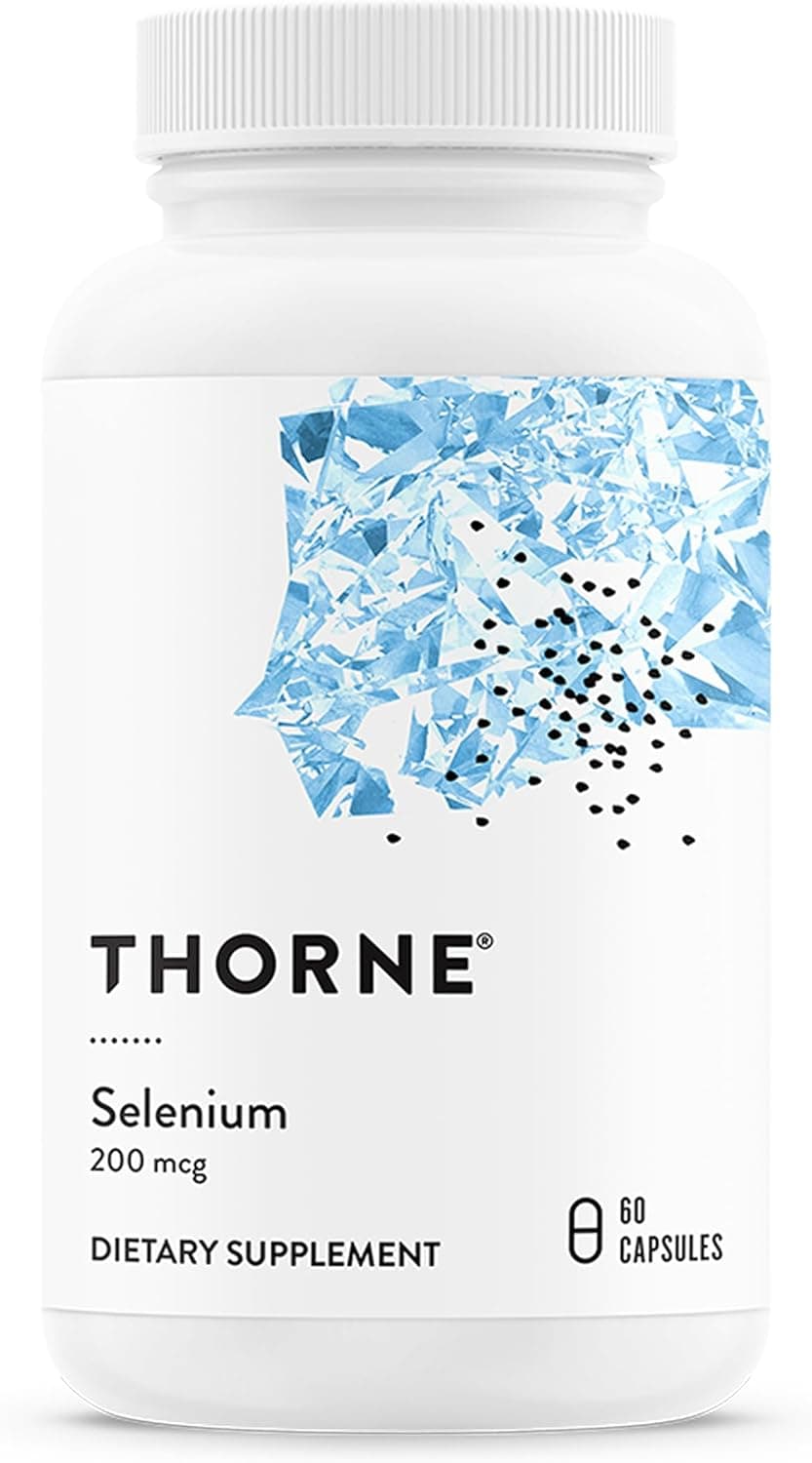
Thorne Selenium (Selenomethionine)
Thorne
The most evidence-backed product on this list — 200 mcg selenomethionine is the exact form shown to lower TPO antibodies in randomized trials.
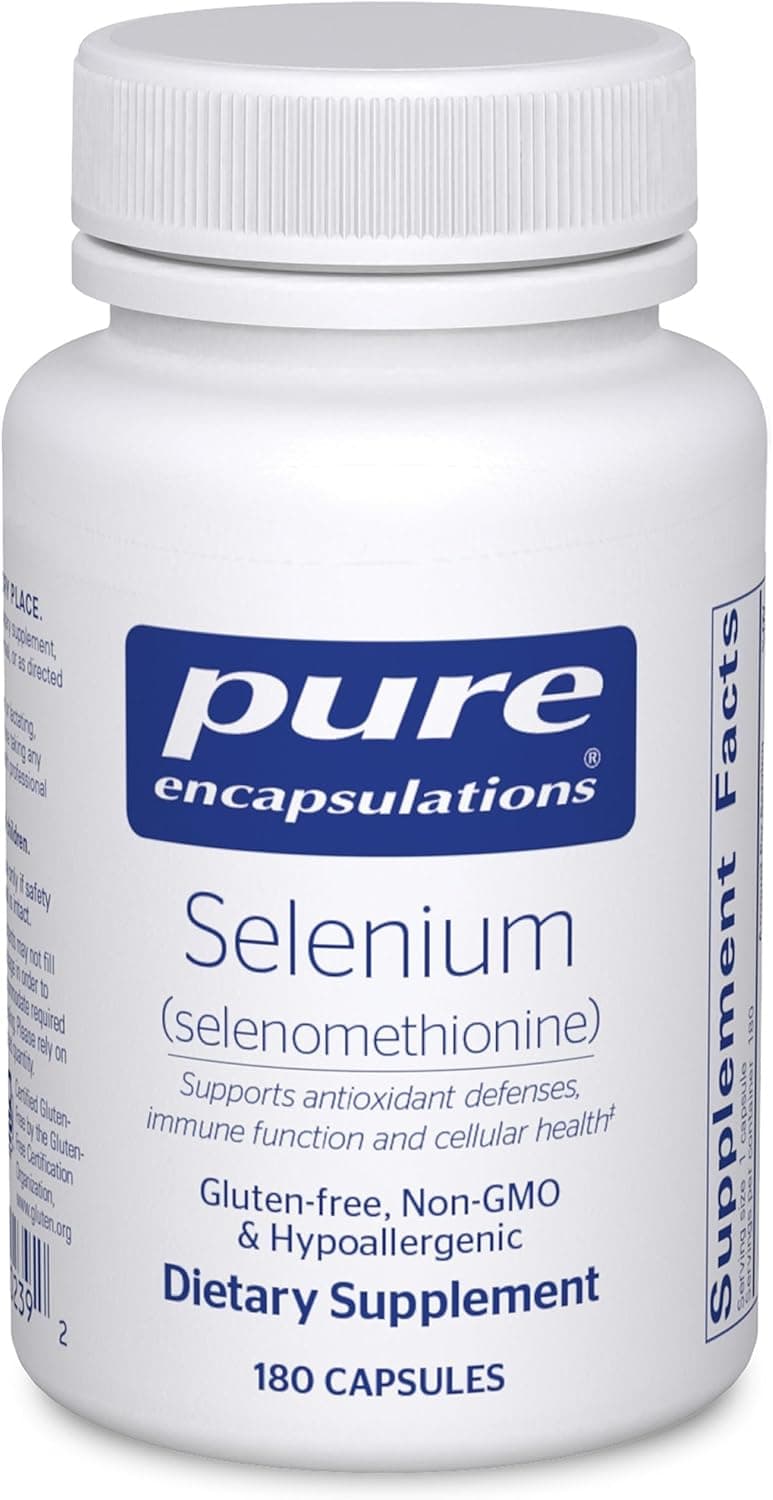
Pure Encapsulations Selenium (Selenomethionine)
Pure Encapsulations
Essentially the same clinical-grade selenomethionine as Thorne at a lower price — best value in the most critical Hashimoto's category.
Want the full picture? Read our complete Hashimoto's supplement protocol.