D-Ribose for Energy: Does It Help Fibromyalgia & Fatigue?
By StopTheFlare Research Team · Updated June 7, 2026
D-ribose is one of those supplements that sounds almost too on-the-nose for fatigue: it is a building block your cells use to make energy, so surely taking more means more energy? As usual, the reality is more nuanced. There is some genuinely interesting research in fibromyalgia and chronic fatigue, but also real limits. Here is an honest look at whether D-ribose is worth trying.
What D-ribose actually does
D-ribose is a simple sugar your body uses to build ATP — the molecule that stores and delivers energy in every cell. It is also part of the backbone of ATP itself. The theory behind supplementing it: in conditions where cellular energy production is impaired, like fibromyalgia and chronic fatigue, the slow step in rebuilding depleted ATP may be making enough ribose. Supplying it directly could, in principle, help cells refill their energy stores faster.
This is different from a stimulant like caffeine. D-ribose does not push your system; it provides raw material for the energy machinery itself — which is exactly why it appeals to people whose problem is depleted energy production rather than lack of stimulation.
What the research shows
The evidence is promising but limited. A few small open-label studies in fibromyalgia and chronic fatigue reported meaningful improvements in energy, sleep, wellbeing, and pain in a majority of participants taking D-ribose. Those results are encouraging and explain the enthusiasm.
The important caveat: these studies were small, mostly lacked placebo control, and were not blinded — designs that tend to overstate benefit. So D-ribose sits firmly in “promising, worth a careful try” territory rather than “proven.” It is one of the better-rationalized fatigue supplements, but the high-quality trials are not there yet.
Who might benefit
Based on the rationale and the populations studied, D-ribose is most worth considering if you have fibromyalgia or chronic fatigue with a clear energy-depletion pattern — particularly post-exertional crashes. If light activity wipes you out for days, our guide on post-exertional malaise explains that pattern and why pacing comes first. D-ribose is a possible support around the edges of good pacing, not a way to override your limits.
How it is used
In the studies, D-ribose was typically taken as a powder, around 5 grams two to three times a day, dissolved in water or a drink. A D-ribose powder mixes easily and is mildly sweet. It is generally well tolerated; because it is a sugar, some people notice a brief drop in blood sugar or lightheadedness if taken on an empty stomach, so taking it with food can help. People with diabetes should be cautious and involve their doctor.
How it compares to other options
D-ribose is rarely a first choice — it is usually layered onto more established basics. CoQ10 supports the mitochondria directly and has more study behind it; our CoQ10 vs ubiquinol guide explains which form to pick. Magnesium and B-vitamins cover common deficiencies. Many people build from those foundations first and add D-ribose if they still want to target ATP recovery. Our best supplements for fibromyalgia roundup and the full Fibromyalgia & Fatigue protocol show the priority order.
The bottom line
D-ribose has a sound rationale — it supplies raw material for rebuilding cellular energy — and small studies in fibromyalgia and chronic fatigue are encouraging, but the high-quality trials are not there yet. It is a reasonable, well-tolerated thing to try if energy depletion and post-exertional crashes are your pattern, layered onto solid basics and a pacing strategy rather than used as a standalone fix. Check with your doctor, especially if you manage blood sugar.
Frequently Asked Questions
- Does D-ribose really help fibromyalgia?
- Small studies in fibromyalgia and chronic fatigue reported improvements in energy, sleep, and pain for most participants taking D-ribose, which is promising. However, those studies were small and mostly lacked placebo controls, so the benefit may be overstated. D-ribose is best viewed as a reasonable, well-tolerated thing to try — not a proven treatment — layered onto solid basics and pacing.
- How much D-ribose should I take for energy?
- In the studies, D-ribose was typically taken as a powder at around 5 grams two to three times daily, dissolved in water or a drink. It is mildly sweet and mixes easily. Because it is a sugar, taking it with food can prevent the brief lightheadedness some people feel on an empty stomach, and those with diabetes should involve their doctor.
- Is D-ribose or CoQ10 better for fatigue?
- They work differently and are often used together. CoQ10 supports the mitochondria directly and has more research behind it, making it a common first choice, while D-ribose supplies raw material for rebuilding ATP. Many people start with established basics like CoQ10, magnesium, and B-vitamins, then add D-ribose if they still want to target energy recovery.
- Is D-ribose safe?
- D-ribose is generally well tolerated. The main thing to know is that it is a sugar, so taken on an empty stomach it can cause a brief drop in blood sugar or lightheadedness — taking it with food helps. People with diabetes or blood-sugar concerns should be cautious and check with their doctor before using it.
Related products
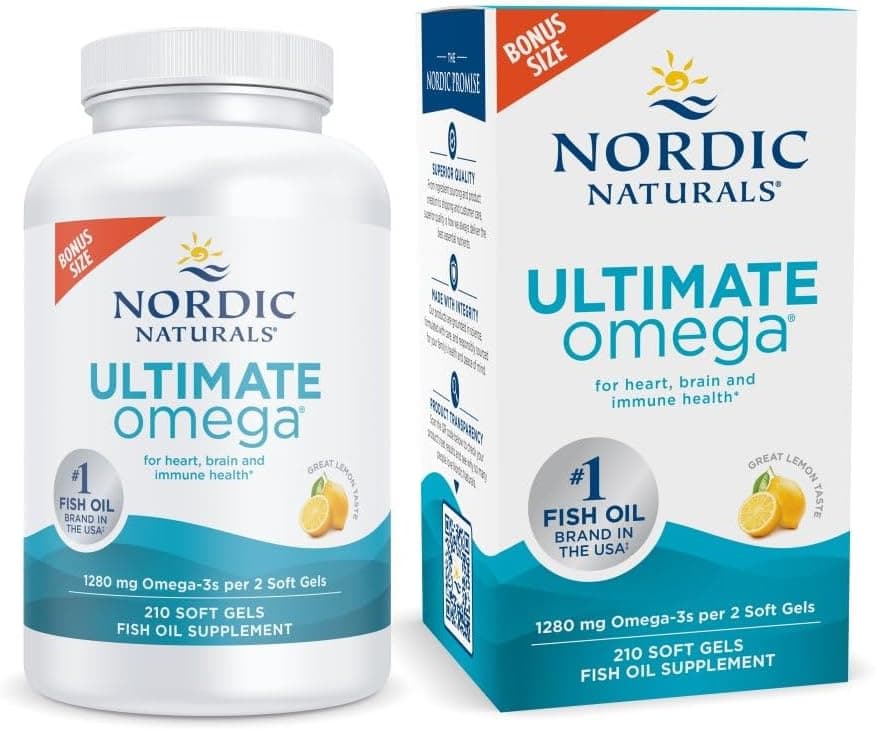
Nordic Naturals Ultimate Omega
Nordic Naturals
The most-reviewed triglyceride-form fish oil on Amazon (4.7★, 24k+ ratings) — the benchmark anti-inflammatory omega-3 across all five conditions.
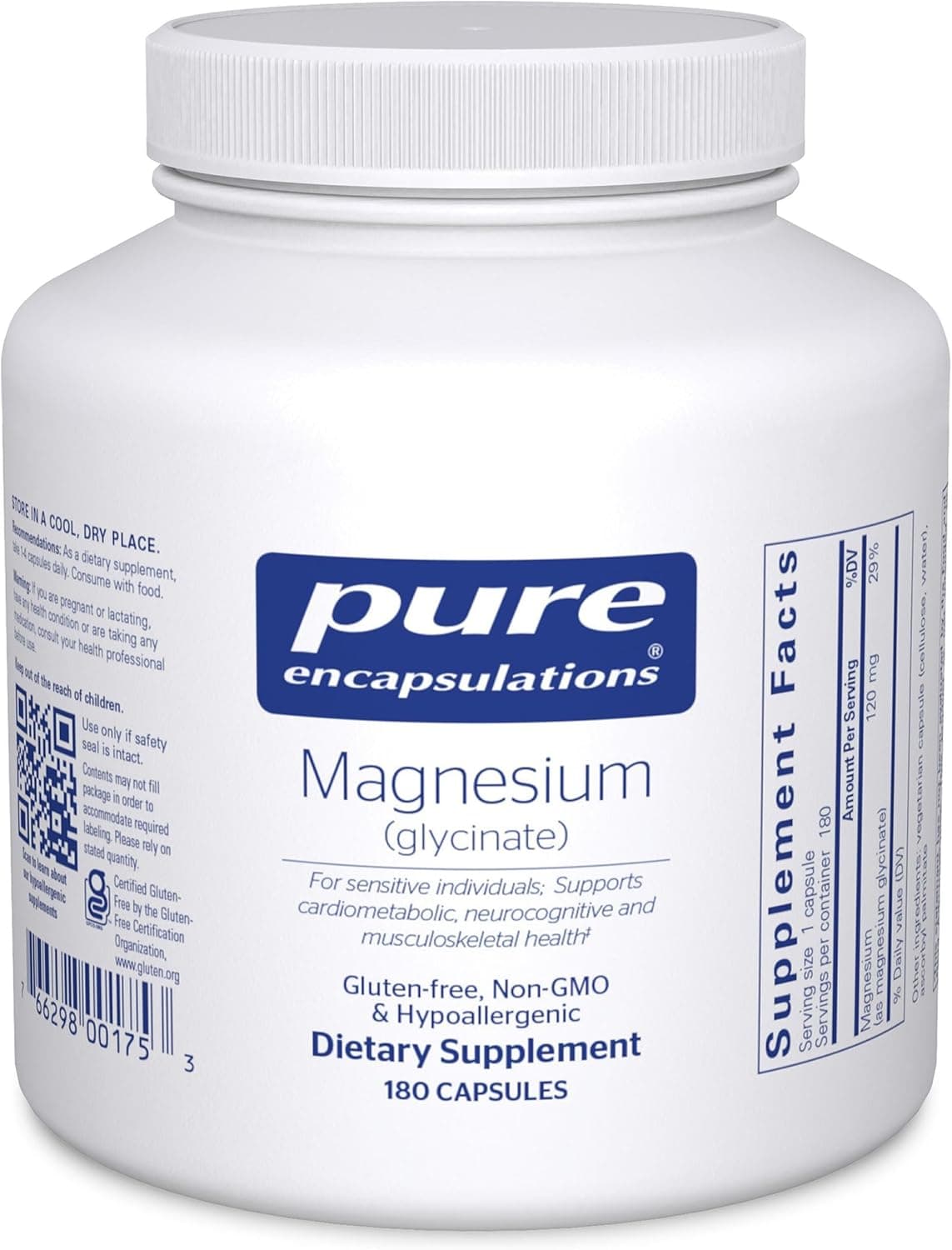
Pure Encapsulations Magnesium Glycinate
Pure Encapsulations
The cleanest, best-tolerated magnesium glycinate available — 4.6★ from 2,700+ verified reviews, named best overall by multiple expert roundups.
Want the full picture? Read our complete Fibromyalgia supplement protocol.