CoQ10 vs Ubiquinol: Which Form Is Better for Chronic Fatigue?
By StopTheFlare Research Team · Updated May 24, 2026
If you have shopped for CoQ10 to help with fatigue, you have hit the fork in the road: regular CoQ10 (ubiquinone) or the more expensive ubiquinol. The marketing is confident — ubiquinol is the “active, body-ready” form — but the price gap is real, and the science is more nuanced than the labels suggest.
CoQ10 matters for fatigue because it is essential to the electron transport chain, the final stage where your mitochondria produce ATP. People with fibromyalgia and ME/CFS frequently show low levels, and supplementation has improved pain and fatigue in trials. The question is just which form gets you there. For the broader energy strategy, see our CoQ10 for chronic fatigue guide.
The two forms, explained
CoQ10 exists in two states: ubiquinone (the oxidized form, “regular” CoQ10) and ubiquinol (the reduced, antioxidant form). Your body constantly converts between the two as it shuttles electrons. Ubiquinol is what is marketed as “pre-converted,” the idea being you skip a step.
What the absorption science actually says
Here is the nuance the marketing skips: your body readily converts one form to the other regardless of which you swallow. Some studies show ubiquinol achieves higher blood levels, particularly in older adults or those with absorption issues — but other well-formulated ubiquinone products perform comparably. The single biggest factor in *any* CoQ10’s absorption is not the form at all; it is whether you take it with dietary fat.
The fat rule beats the form debate
CoQ10 is fat-soluble. Taken on an empty stomach, even premium ubiquinol absorbs poorly. Taken with a meal containing fat, ordinary ubiquinone absorbs well. So before paying double for ubiquinol, make sure you are simply taking CoQ10 with food — that one habit outweighs the form difference for most people.
So which should you buy?
For most people under ~50 with a healthy gut, a quality ubiquinone taken with a fatty meal is cost-effective and works well — Thorne CoQ10 at 100 mg or the solubilized, budget-friendly Qunol Ultra CoQ10 are solid picks. Consider ubiquinol if you are older, have known absorption problems, or tried ubiquinone with food and felt no benefit. Either way, dose around 100–300 mg/day and give it several weeks — mitochondrial changes are gradual.
Don’t stop at CoQ10
CoQ10 is one spark plug in a larger engine. For fibromyalgia and ME/CFS, it works best alongside magnesium (the malate form is well studied — see our magnesium malate review), methylated B vitamins, and careful pacing to stay within your energy envelope. The complete plan is in our fibromyalgia and chronic fatigue protocol.
Bottom line
Ubiquinol is not a scam, but it is rarely worth double the price for younger, healthy-gut users. Take CoQ10 with fat, dose it adequately, and the form matters far less than the marketing implies. Save ubiquinol for older adults or those who genuinely do not respond to ubiquinone.
Frequently Asked Questions
- Is ubiquinol really better than regular CoQ10?
- Not dramatically, for most people. Your body readily converts between ubiquinone and ubiquinol regardless of which you take. Ubiquinol can reach higher blood levels in older adults or those with absorption issues, but well-formulated ubiquinone works comparably for most — and taking either form with dietary fat matters more than the form itself.
- Should I take CoQ10 with food?
- Yes — always. CoQ10 is fat-soluble, so taking it with a meal containing fat dramatically improves absorption. Taken on an empty stomach, even premium ubiquinol absorbs poorly. This single habit outweighs the ubiquinone-versus-ubiquinol debate for most people.
- How much CoQ10 should I take for chronic fatigue?
- Studies in fibromyalgia and ME/CFS typically use around 100 to 300 mg per day, taken with a fat-containing meal. Give it several weeks, since mitochondrial improvements are gradual rather than immediate. CoQ10 works best as part of a broader energy-support approach alongside magnesium and B vitamins.
- Who should choose ubiquinol over ubiquinone?
- Ubiquinol is most worth the extra cost for older adults, people with known fat-absorption problems, or those who took a quality ubiquinone with food and noticed no benefit. For most healthy people under about 50, a well-formulated ubiquinone taken with a meal is a cost-effective choice.
Related products
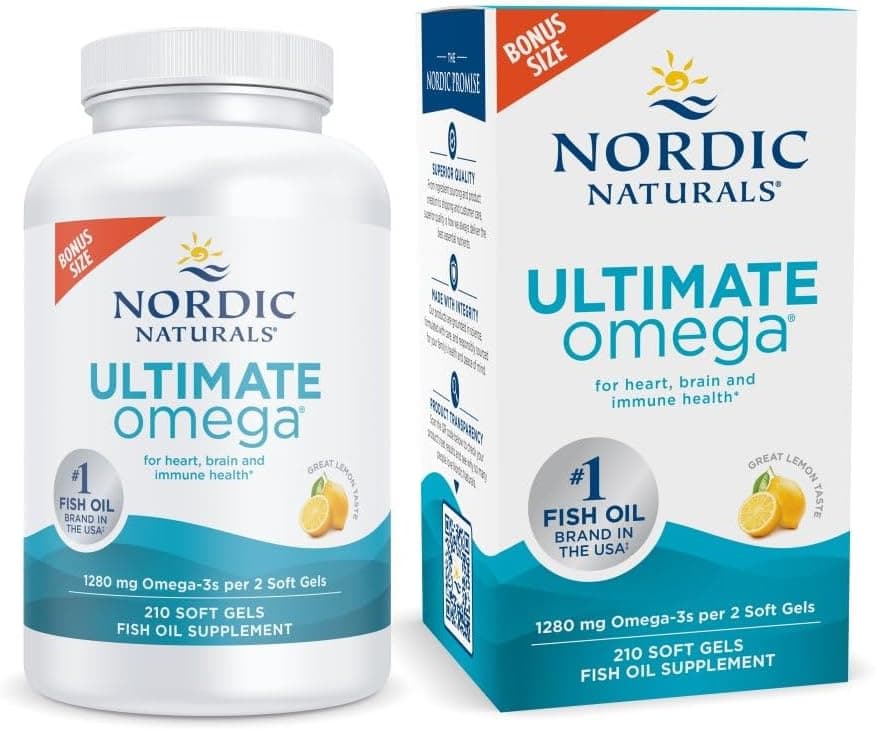
Nordic Naturals Ultimate Omega
Nordic Naturals
The most-reviewed triglyceride-form fish oil on Amazon (4.7★, 24k+ ratings) — the benchmark anti-inflammatory omega-3 across all five conditions.
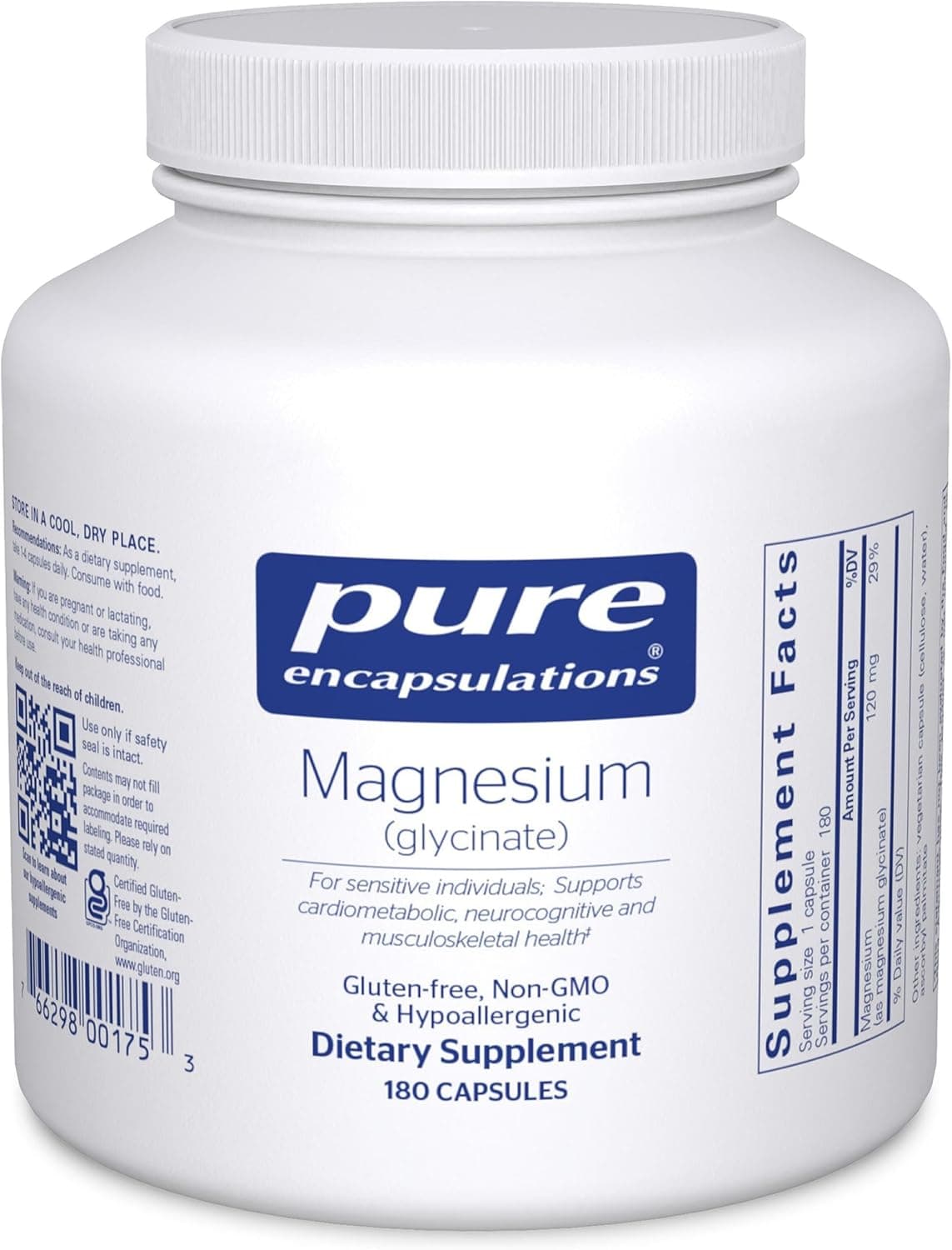
Pure Encapsulations Magnesium Glycinate
Pure Encapsulations
The cleanest, best-tolerated magnesium glycinate available — 4.6★ from 2,700+ verified reviews, named best overall by multiple expert roundups.
Want the full picture? Read our complete Fibromyalgia supplement protocol.