The Elimination Diet for Eczema: A Step-by-Step Guide to Finding Your Triggers
By StopTheFlare Research Team · Updated May 28, 2026
If your eczema flares seem to come and go for no obvious reason, food may be playing a role. Not for everyone — eczema is multifactorial — but a meaningful subset of people have food triggers that keep their skin inflamed. The challenge is that random elimination rarely works. You need a structured process to get a real answer.
This is a practical, step-by-step elimination protocol. Done properly, it is the single most reliable way to identify your personal food triggers. For the bigger picture on how diet and gut health drive skin inflammation, see our gut-skin connection guide.
Why random “cutting things out” fails
Most people eliminate one food for a few days, see no change, and give up — or cut everything at once and have no idea what helped. An elimination diet only works when it is systematic: a clean elimination phase, followed by deliberate, one-at-a-time reintroduction. The reintroduction is where the real information lives.
The usual suspects
While anything can be a trigger, the most common culprits in eczema are dairy, eggs, gluten, soy, nuts, and highly processed foods. For some, high-histamine foods (aged cheese, fermented foods, leftovers) are the hidden driver — if your flares come with flushing or itching after meals, read our histamine intolerance guide too.
The protocol, step by step
Phase 1: Eliminate (3–4 weeks)
Remove the common triggers above completely for three to four weeks. Be strict — hidden dairy and soy in sauces and packaged foods are easy to miss. Keep a simple daily log of what you eat and a 0–10 rating of your skin. Take a photo of affected areas every few days; skin changes are gradual and easy to misjudge from memory.
Phase 2: Reintroduce (one at a time)
Once your skin has calmed (or after the 3–4 weeks), reintroduce one food group every 3–4 days. Eat a normal portion, then watch for a return of itch, redness, or new flares over the next 72 hours — food reactions in eczema are often delayed, which is exactly why one-at-a-time spacing matters. Log everything.
Phase 3: Build your personal list
After running through each group, you will have a clear, personalized list of foods that flare your skin and foods that are safe. This beats any generic “eczema diet” because it is based on *your* body’s responses.
Protect your nutrition and barrier while you do this
An elimination diet should not become a permanently restrictive one — reintroduce everything that does not cause problems. While you experiment, support the skin barrier and gut so you are addressing eczema from multiple angles. Omega-3s lower inflammatory tone — a concentrated Nordic Naturals Ultimate Omega is an easy add — and a histamine-aware probiotic strategy can help work the gut-skin axis. See the full eczema protocol for the complete stack.
When to get help
If flares are severe, if you suspect a true food allergy (hives, swelling, breathing changes), or if you are doing this for a child, work with a clinician or dietitian. Elimination diets in kids especially need supervision to avoid nutritional gaps. Used carefully, though, this process can finally answer the question of whether food is feeding your flares.
Frequently Asked Questions
- What foods most commonly trigger eczema?
- The most frequent food triggers are dairy, eggs, gluten, soy, nuts, and highly processed foods. For some people, high-histamine foods such as aged cheese, fermented foods, and leftovers are the hidden driver. Triggers are individual, though, which is why a structured elimination-and-reintroduction process is the reliable way to identify yours.
- How long should an elimination diet for eczema last?
- Plan on a 3-to-4-week strict elimination phase, then reintroduce one food group every 3 to 4 days. Because food reactions in eczema are often delayed by up to 72 hours, spacing reintroductions out is essential. The whole process typically runs 6 to 10 weeks, after which you should not stay restricted on foods that did not cause problems.
- How do I know if a food is flaring my eczema?
- During reintroduction, eat a normal portion of one food group and watch for a return of itch, redness, or new flares over the next 72 hours while logging everything and taking photos. Because skin changes gradually, photos and a daily 0-to-10 rating are far more reliable than memory for spotting a reaction.
- Is an elimination diet safe for children with eczema?
- It can be, but it should be done under the guidance of a clinician or dietitian. Children are more vulnerable to nutritional gaps from restriction, and any signs of a true food allergy — hives, swelling, or breathing changes — require medical evaluation rather than a self-directed diet.
Related products

Nordic Naturals Ultimate Omega
Nordic Naturals
The most-reviewed triglyceride-form fish oil on Amazon (4.7★, 24k+ ratings) — the benchmark anti-inflammatory omega-3 across all five conditions.
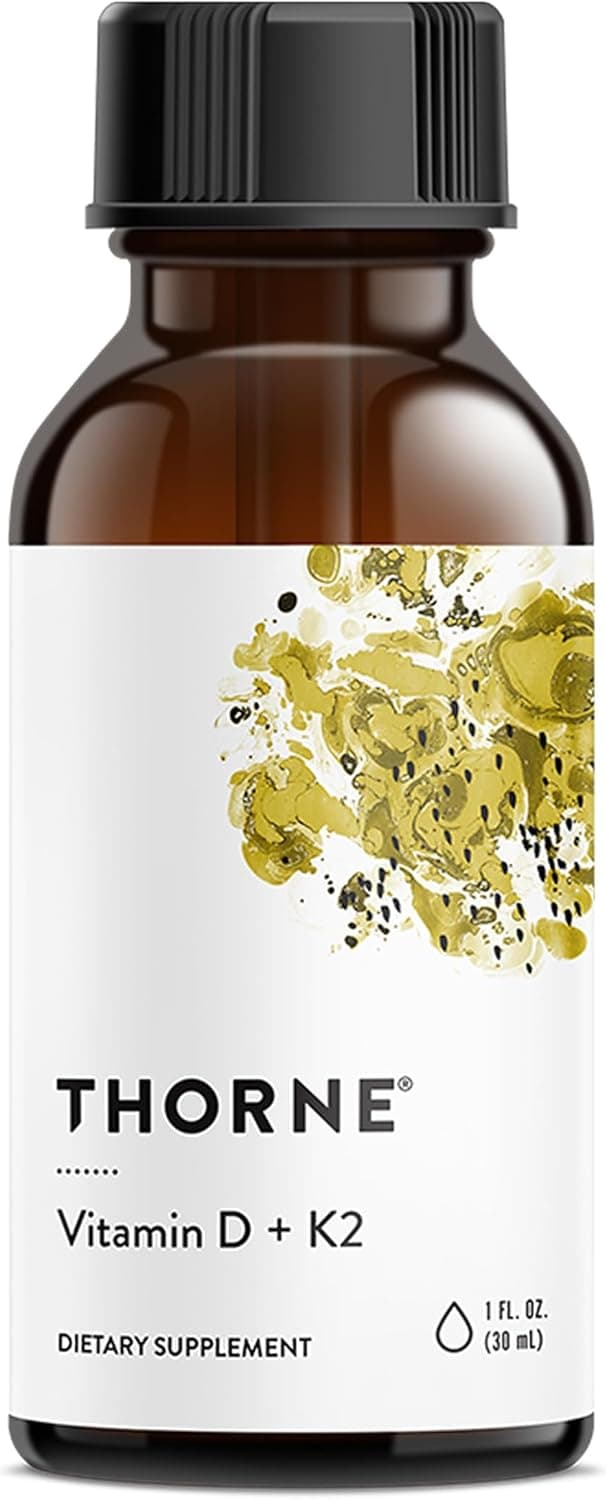
Thorne Vitamin D + K2 Liquid
Thorne
Flexible metered-drop liquid D3/K2 from a third-party certified brand — vitamin D deficiency correlates strongly with higher thyroid antibodies and worse skin.
Want the full picture? Read our complete Eczema & Skin supplement protocol.