Digestive Enzymes: Do They Actually Work, and Who Needs Them?
By StopTheFlare Research Team · Updated May 8, 2026
Digestive enzyme supplements are everywhere, marketed as a cure-all for bloating, gas, and that heavy “food just sits there” feeling. Some people swear by them; others notice nothing. So what is the truth? The honest answer is that enzymes genuinely help a specific group of people — and are largely unnecessary for everyone else.
This guide explains what enzymes do, who actually benefits, and how to use them properly. For the broader plan, see our gut health protocol and digestive enzymes explainer.
What digestive enzymes actually do
Your body already makes enzymes — in saliva, the stomach, and especially the pancreas — to break food into absorbable pieces. The main players: protease breaks down protein, lipase breaks down fat, and amylase breaks down carbohydrates. Specialty enzymes like lactase (for dairy) and alpha-galactosidase (for beans and cruciferous veg) target specific hard-to-digest foods.
A supplement simply adds more of these to the meal, giving your gut extra help breaking food down before it ferments and causes gas and bloating.
Who genuinely benefits
Enzymes are not snake oil — but they are not for everyone. The people who reliably benefit include:
Clear-cut cases
Those with diagnosed pancreatic insufficiency (the pancreas does not make enough enzymes) need prescription enzymes — this is medical, not optional. People with specific intolerances benefit from targeted enzymes: lactase for dairy, alpha-galactosidase (the active ingredient in products for gas from beans) for FODMAP-rich foods.
The “heavy meal” crowd
Many people without a diagnosis still find a broad-spectrum enzyme with meals reduces bloating and that overly-full feeling, especially with large or rich meals. If food feels like it sits and ferments, a quality blend like Pure Encapsulations Digestive Enzymes is a reasonable, low-risk thing to trial. Our MassZymes review compares another popular option.
Who probably doesn’t need them
If you digest food comfortably, enzymes are unlikely to do much — your body is already handling the job. They are also not a fix for the root cause of conditions like IBS or IBD; they manage a symptom (incomplete digestion), not the underlying disorder.
How to take them so they work
Timing is everything: take digestive enzymes at the start of your meal, or just before, so they are present as food arrives — taking them an hour later does little. Match the enzyme to the problem (lactase for dairy, a broad blend for mixed meals). And start with meals that give you the most trouble rather than dosing every single meal.
A companion for reflux-prone people
If your discomfort is more upper-GI — reflux, that burning after meals — deglycyrrhizinated licorice (DGL) supports the stomach’s mucus lining and pairs well with enzymes. Pure Encapsulations DGL Plus taken before meals is a gentle option.
Bottom line
Digestive enzymes work — for the right person. If you have pancreatic insufficiency, a specific intolerance, or consistent bloating after meals, they are worth a trial taken at the start of eating. If you digest comfortably already, your money is better spent elsewhere in the gut health protocol, like targeted probiotics or gut-lining support.
Frequently Asked Questions
- Do digestive enzyme supplements actually work?
- They work for specific people: those with pancreatic insufficiency, specific intolerances like lactose, or consistent bloating after large or rich meals. By adding protease, lipase, and amylase to a meal, they help break food down before it ferments. If you already digest food comfortably, however, enzymes are unlikely to make much difference.
- When should I take digestive enzymes?
- Take them at the very start of a meal, or just before eating, so they are present as food arrives in your stomach and small intestine. Taking them well after a meal does little. Match the enzyme to the food causing trouble — lactase for dairy, a broad-spectrum blend for mixed meals.
- Can digestive enzymes cure IBS or IBD?
- No. Enzymes manage a symptom — incomplete digestion and the bloating it causes — but they do not address the underlying disorder in IBS or IBD. They can be a helpful supportive tool for some people, but they are not a treatment for the root cause of those conditions.
- Who needs digestive enzymes the most?
- People with diagnosed pancreatic insufficiency need them medically, often by prescription. Those with specific intolerances benefit from targeted enzymes like lactase or alpha-galactosidase. Beyond that, people who get bloating and a heavy, overly-full feeling after meals are the most likely to notice a benefit from a broad-spectrum blend.
Related products
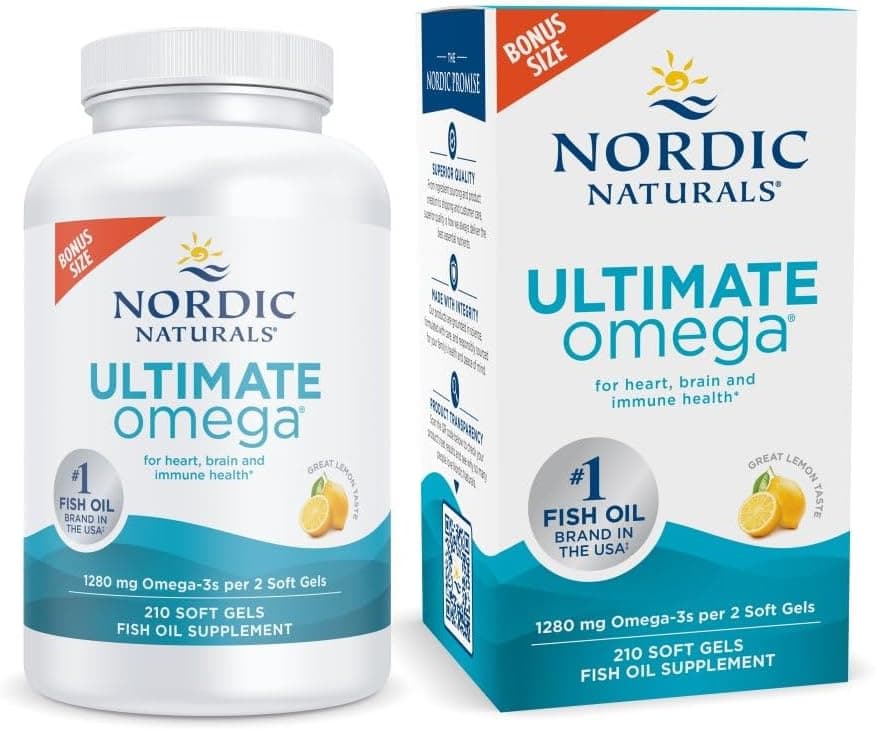
Nordic Naturals Ultimate Omega
Nordic Naturals
The most-reviewed triglyceride-form fish oil on Amazon (4.7★, 24k+ ratings) — the benchmark anti-inflammatory omega-3 across all five conditions.
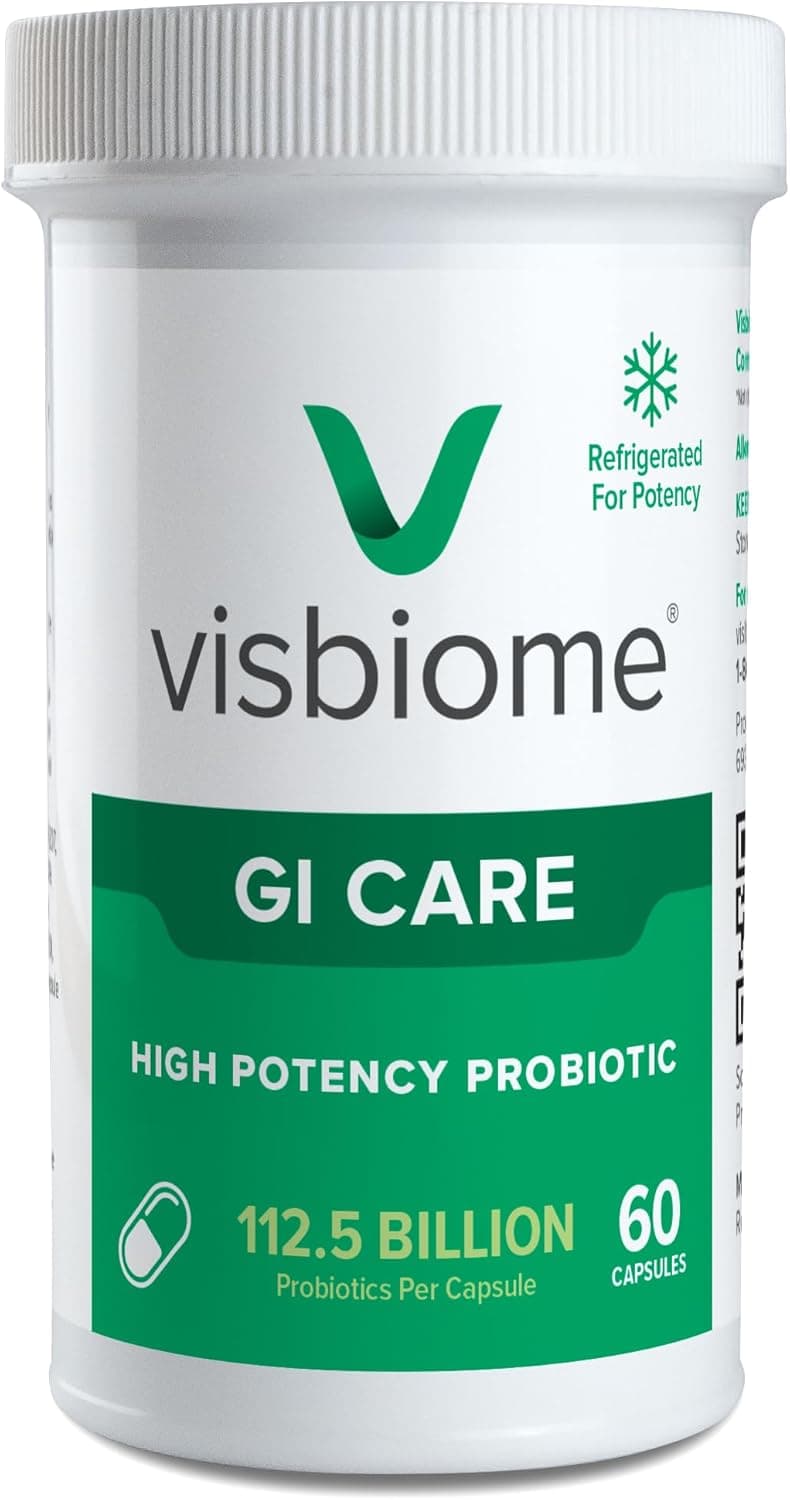
Visbiome High Potency Probiotic
Visbiome
The original De Simone formulation with 100+ human clinical trials — the single most evidence-backed probiotic for ulcerative colitis remission maintenance.
Want the full picture? Read our complete Gut Health supplement protocol.