How to Choose the Best Moisturizer for Eczema (and Use It Right)
By StopTheFlare Research Team · Updated May 6, 2026
It is easy to get lost chasing supplements and diets for eczema, but here is the truth dermatologists emphasize first: consistent moisturizing is the foundation of eczema control. Eczema is, at its core, a broken skin barrier that loses water and lets irritants in. The right moisturizer, used correctly, does more for most people than anything else.
This guide covers what to look for, what to avoid, and the application technique that makes the biggest difference. For the internal side of the equation, see our eczema and skin protocol.
Why moisturizer matters more than you think
In eczema, the skin barrier is compromised: it loses moisture through a process called trans-epidermal water loss, dries out, cracks, and becomes inflamed and itchy. That triggers scratching, which damages the barrier further — the itch-scratch cycle. A good moisturizer physically rebuilds and seals that barrier, breaking the cycle at its source.
The ingredients that actually repair the barrier
Not all moisturizers are equal. Look for these:
Ceramides
Ceramides are the lipids that make up your skin’s natural barrier, and eczema-prone skin is often deficient in them. A ceramide-containing cream replaces what is missing. This is the single most important ingredient to look for — a widely available option is CeraVe Eczema Relief Cream, formulated around ceramides.
Humectants and occlusives
Humectants like glycerin and hyaluronic acid draw water into the skin. Occlusives like petrolatum and shea butter seal it in. The best products combine both — pull water in, then lock it down. Colloidal oatmeal is another soothing, barrier-friendly addition.
What to avoid
Steer clear of products with added fragrance, essential oils, and harsh preservatives — these are common irritants that can trigger flares on sensitive skin. “Unscented” is better than “fragrance-free” is best. Also be wary of thin, watery lotions for active eczema; creams and ointments are thicker and far more effective at sealing the barrier than pump lotions.
The timing trick: “soak and seal”
This is the technique that doubles the payoff: apply moisturizer to damp skin within about three minutes of bathing. Pat (do not rub) yourself mostly dry, then immediately apply a generous layer of cream while the skin is still slightly moist. This traps the water from your bath into the skin. Moisturizing dry skin hours later is far less effective — the timing genuinely matters.
Pair barrier care with the internal approach
Topicals and supplements are partners, not rivals. While diligent moisturizing rebuilds the barrier from outside, omega-3s lower inflammatory tone and vitamin D supports barrier function from inside — see fish oil for skin inflammation and the full eczema protocol. If you are trying to reduce steroid use, our topical steroid alternatives guide covers barrier-first strategies.
Bottom line
The best eczema moisturizer is a fragrance-free, ceramide-rich cream or ointment, applied generously to damp skin right after bathing, every single day — not just during flares. Get that habit right and it becomes the backbone of controlling your eczema, with supplements supporting from within.
Frequently Asked Questions
- What should I look for in an eczema moisturizer?
- Prioritize ceramides, which replace the barrier lipids eczema-prone skin lacks, plus humectants like glycerin to draw in water and occlusives like petrolatum to seal it. Choose thicker creams or ointments over watery lotions, and avoid added fragrance, essential oils, and harsh preservatives, which can trigger flares.
- When should I apply moisturizer for eczema?
- Apply it to damp skin within about three minutes of bathing — the “soak and seal” method. Pat yourself mostly dry, then immediately apply a generous layer while the skin is still slightly moist to trap that water in. Moisturizing several hours later, on fully dry skin, is much less effective.
- Are creams or lotions better for eczema?
- Creams and ointments are better than thin, watery lotions for active eczema because they are thicker and far more effective at sealing the skin barrier and preventing water loss. Lotions can feel nicer but evaporate quickly and often contain more water and additives, so reserve them for very mild or maintenance use.
- Is moisturizing or taking supplements more important for eczema?
- Consistent moisturizing is the foundation — it directly rebuilds and seals the broken skin barrier that defines eczema. Supplements like omega-3s and vitamin D support the skin from the inside and are valuable, but they work best alongside diligent daily barrier care rather than replacing it.
Related products
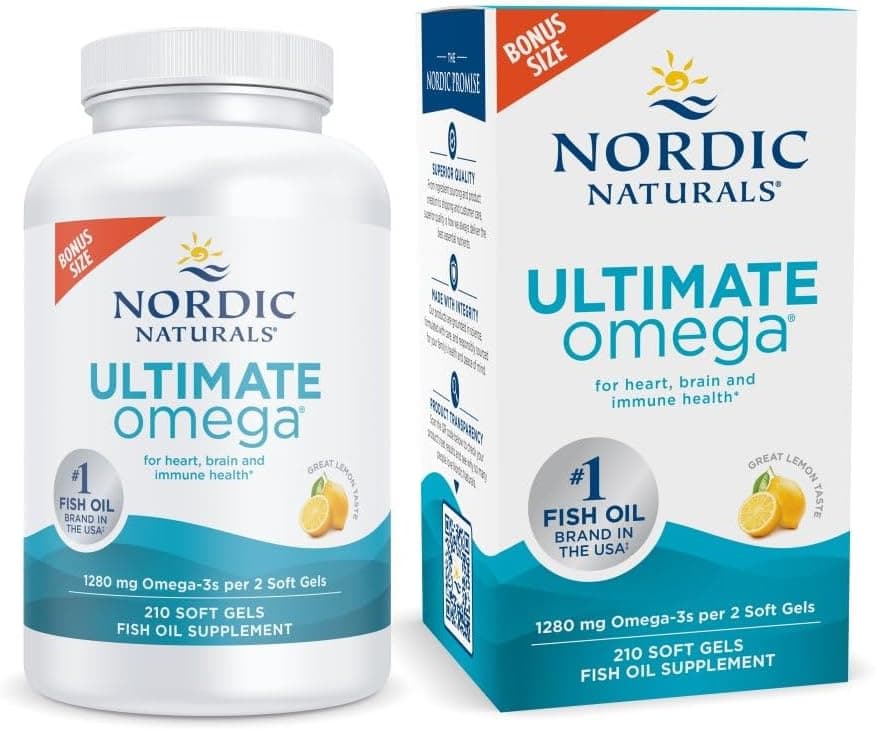
Nordic Naturals Ultimate Omega
Nordic Naturals
The most-reviewed triglyceride-form fish oil on Amazon (4.7★, 24k+ ratings) — the benchmark anti-inflammatory omega-3 across all five conditions.
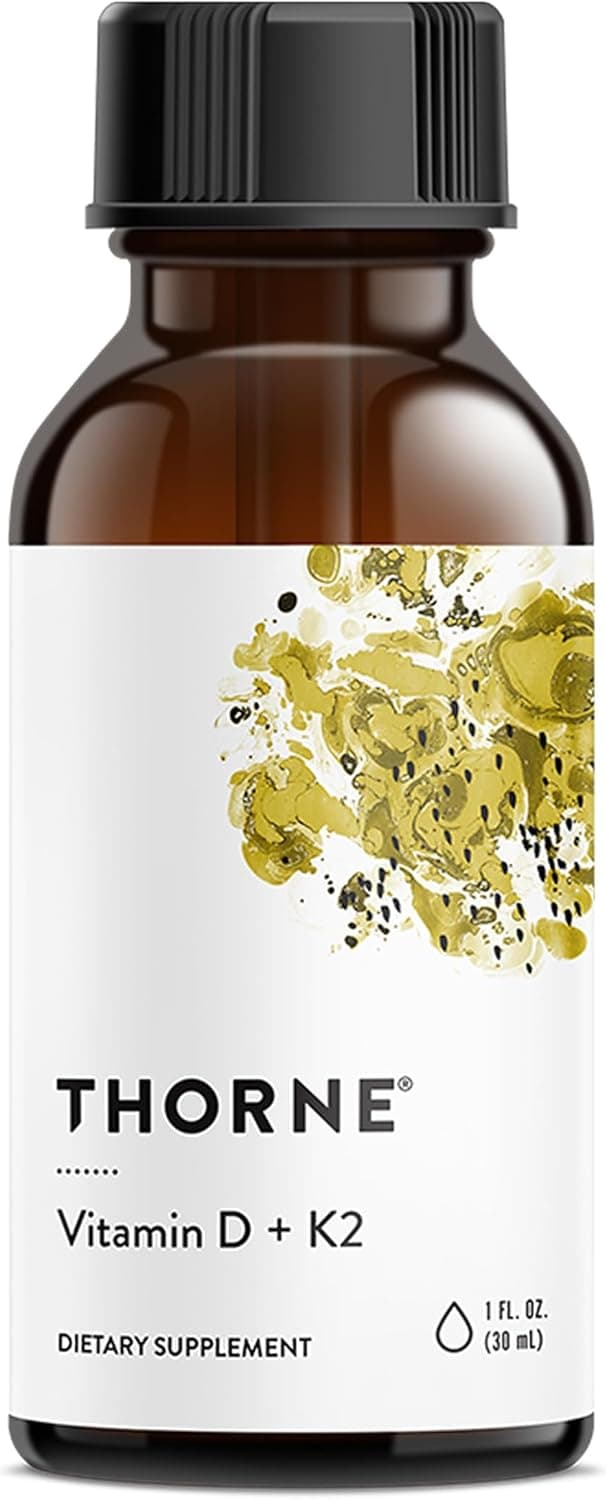
Thorne Vitamin D + K2 Liquid
Thorne
Flexible metered-drop liquid D3/K2 from a third-party certified brand — vitamin D deficiency correlates strongly with higher thyroid antibodies and worse skin.
Want the full picture? Read our complete Eczema & Skin supplement protocol.